

















-
 bitcoin
$67097.675742 USD
-2.90% - ethereum
$1892.896749 USD
-2.58% - tether
$0.999018 USD
0.01% - bnb
$615.826967 USD
-3.02% - usd-coin
$0.999879 USD
0.02% - xrp
$0.983981 USD
-4.49% - solana
$75.092743 USD
-6.73% - tron
$0.312495 USD
0.53% - hyperliquid
$69.153680 USD
-3.68% - zcash
$904.779308 USD
-4.76% - monero
$529.635007 USD
0.70% - dogecoin
$0.062409 USD
-3.77% - unus-sed-leo
$9.266278 USD
1.01% - chainlink
$9.542692 USD
-4.07% - cardano
$0.162462 USD
-5.54%











How to play Gemini option contract
To play a Gemini call option, open an account, fund it, find the desired contract, specify order details, and track the trade while monitoring the underlying asset's price.
Nov 11, 2024 at 09:06 pm
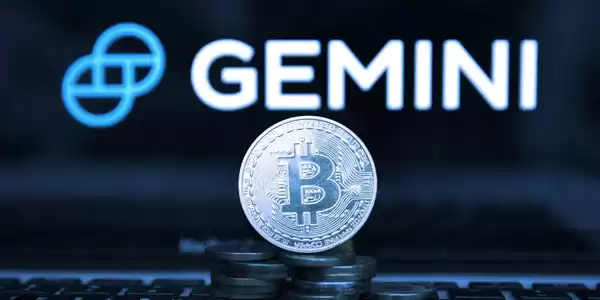
How to Play Gemini Option Contract
Introduction
Gemini offers a variety of option contracts, including call options and put options. Call options give the buyer the right, but not the obligation, to buy an underlying asset at a specified price on or before a certain date. Put options give the buyer the right, but not the obligation, to sell an underlying asset at a specified price on or before a certain date.
How to Play Gemini Call Options
To play a Gemini call option, follow these steps:
- Open an account with Gemini. To open an account, you will need to provide your name, email address, and date of birth. You will also need to create a password.
- Fund your account. You can fund your account with a variety of methods, including bank transfer, credit card, and PayPal.
- Find the option contract you want to trade. Gemini offers a variety of option contracts, including call options and put options. To find the option contract you want to trade, use the search bar on the Gemini website.
- Place your order. Once you have found the option contract you want to trade, you can place your order. To place an order, you will need to specify the quantity, price, and expiration date of the option contract.
- Monitor your order. Once you have placed your order, you can monitor its status on the Gemini website. You can also track the price of the underlying asset using the Gemini charts.
How to Play Gemini Put Options
To play a Gemini put option, follow these steps:
- Open an account with Gemini. To open an account, you will need to provide your name, email address, and date of birth. You will also need to create a password.
- Fund your account. You can fund your account with a variety of methods, including bank transfer, credit card, and PayPal.
- Find the option contract you want to trade. Gemini offers a variety of option contracts, including call options and put options. To find the option contract you want to trade, use the search bar on the Gemini website.
- Place your order. Once you have found the option contract you want to trade, you can place your order. To place an order, you will need to specify the quantity, price, and expiration date of the option contract.
- Monitor your order. Once you have placed your order, you can monitor its status on the Gemini website. You can also track the price of the underlying asset using the Gemini charts.
Tips for Playing Gemini Option Contracts
Here are a few tips for playing Gemini option contracts:
- Do your research. Before you start trading option contracts, it is important to do your research and understand how they work. There are many resources available online that can help you learn about option contracts.
- Start with a small amount of money. When you are first starting out, it is a good idea to start with a small amount of money. This will help you get a feel for how option contracts work without risking too much money.
- Use limit orders. Limit orders allow you to specify the maximum price you are willing to pay for an option contract. This can help you protect yourself from losses if the price of the underlying asset moves against you.
- Monitor your trades closely. It is important to monitor your trades closely and adjust them as needed. The price of the underlying asset can change quickly, so it is important to stay up-to-date on the latest news and market trends.
Disclaimer:info@kdj.com
The information provided is not trading advice. kdj.com does not assume any responsibility for any investments made based on the information provided in this article. Cryptocurrencies are highly volatile and it is highly recommended that you invest with caution after thorough research!
If you believe that the content used on this website infringes your copyright, please contact us immediately (info@kdj.com) and we will delete it promptly.






- Sui Network, Toncoin, TRON: Navigating the Evolving Crypto Landscape
- 2026-11-15 00:35:01
- OKX Europe Boosts Fast Redemption Limits for VIP Liquid Staking, Setting Industry Pace
- 2026-11-14 16:35:02
- Bitcoin Retail Demand Plunges Amid Price Decline, Technical Indicators Confirm Bearish Trend
- 2026-11-14 16:35:02
- Pyth Network, Douro Labs, and CFTC Regulation: Shaping the Future of Crypto Market Integrity
- 2026-11-14 17:35:15
- Blockstream Elevates Enterprise Custody with Secure-MPC and Thales HSMs for Unparalleled Security
- 2026-11-14 17:35:15
- XRP Price Prediction: Will $1,000 Make Everyone Rich? Technicals Suggest Key Levels to Watch
- 2026-11-14 07:24:53
Related knowledge
How to Calculate the Total Cost of Holding a BTCUSDT Futures Position
Oct 26,2026 at 04:06am
Total Cost Components for BTCUSDT Futures Positions1. The total cost of holding a BTCUSDT futures position includes both explicit and implicit charges...
How to Monitor XRPUSDT Funding Rates and Open Interest Together
Oct 20,2026 at 06:39pm
Funding Rate Mechanics on XRPUSDT Perpetual Contracts1. Funding rates on XRPUSDT perpetual swaps are calculated every eight hours using the premium in...
How to Set a Break-Even Stop-Loss on SOLUSDT Perpetual Futures
Oct 23,2026 at 09:34am
Understanding Break-Even Stop-Loss Mechanics1. A break-even stop-loss is a dynamic order that adjusts upward as the position moves profitably, locking...
How to Use the Binance Futures Calculator for ETHUSDT Trades
Oct 21,2026 at 02:00am
Understanding the Binance Futures Calculator Interface1. The calculator is embedded directly within the Binance Futures trading interface, accessible ...
How to Check BTCUSDT Mark Price Before a Futures Liquidation
Oct 26,2026 at 12:20pm
Understanding Mark Price in BTCUSDT Futures1. The mark price is a calculated value used by exchanges to prevent unfair liquidations during volatile ma...

How to Adjust Leverage on a TRUMPUSDT Perpetual Contract
Oct 30,2026 at 10:19pm
Understanding TRUMPUSDT Perpetual Contract Mechanics1. TRUMPUSDT is a thematic perpetual futures contract listed on multiple Tier-1 derivatives exchan...
How to Calculate the Total Cost of Holding a BTCUSDT Futures Position
Oct 26,2026 at 04:06am
Total Cost Components for BTCUSDT Futures Positions1. The total cost of holding a BTCUSDT futures position includes both explicit and implicit charges...
How to Monitor XRPUSDT Funding Rates and Open Interest Together
Oct 20,2026 at 06:39pm
Funding Rate Mechanics on XRPUSDT Perpetual Contracts1. Funding rates on XRPUSDT perpetual swaps are calculated every eight hours using the premium in...
How to Set a Break-Even Stop-Loss on SOLUSDT Perpetual Futures
Oct 23,2026 at 09:34am
Understanding Break-Even Stop-Loss Mechanics1. A break-even stop-loss is a dynamic order that adjusts upward as the position moves profitably, locking...
How to Use the Binance Futures Calculator for ETHUSDT Trades
Oct 21,2026 at 02:00am
Understanding the Binance Futures Calculator Interface1. The calculator is embedded directly within the Binance Futures trading interface, accessible ...
How to Check BTCUSDT Mark Price Before a Futures Liquidation
Oct 26,2026 at 12:20pm
Understanding Mark Price in BTCUSDT Futures1. The mark price is a calculated value used by exchanges to prevent unfair liquidations during volatile ma...
How to Adjust Leverage on a TRUMPUSDT Perpetual Contract
Oct 30,2026 at 10:19pm
Understanding TRUMPUSDT Perpetual Contract Mechanics1. TRUMPUSDT is a thematic perpetual futures contract listed on multiple Tier-1 derivatives exchan...
See all articles


