





















-
 bitcoin
 $87959.907984 USD
1.34% - ethereum
$2920.497338 USD
3.04% - tether
$0.999775 USD
0.00% - xrp
$2.237324 USD
8.12% - bnb
$860.243768 USD
0.90% - solana
$138.089498 USD
5.43% - usd-coin
$0.999807 USD
0.01% - tron
$0.272801 USD
-1.53% - dogecoin
$0.150904 USD
2.96% - cardano
$0.421635 USD
1.97% - hyperliquid
$32.152445 USD
2.23% - bitcoin-cash
$533.301069 USD
-1.94% - chainlink
$12.953417 USD
2.68% - unus-sed-leo
$9.535951 USD
0.73% - zcash
$521.483386 USD
-2.87%











What is contract trading and what is spot trading?
Contract trading involves future settlement and leverage, while spot trading finalizes transactions immediately and trades physical assets.
Oct 08, 2024 at 10:34 am
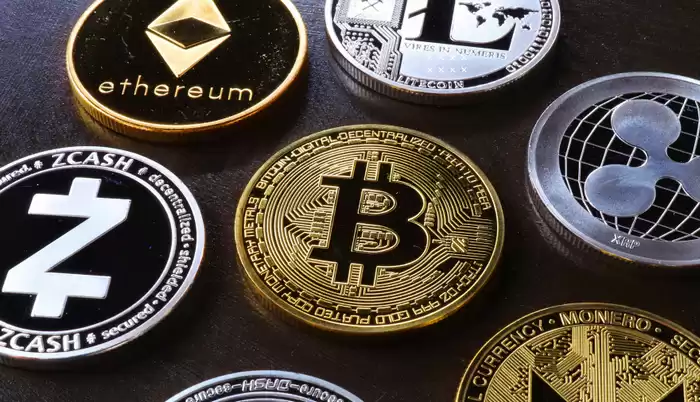
Contract trading involves the买卖of standardized contracts that represent ownership of an underlying asset, such as a commodity, currency, or stock index. These contracts specify the quantity, quality, and delivery date of the asset. Contract trading takes place on exchanges, where buyers and sellers match commitments to exchange the underlying asset at a specified price and date.
2. Definition of Spot TradingSpot trading is the immediate 买卖of an asset for cash settlement. It entails the physical exchange of the asset on the spot market at the current market price. Unlike contract trading, which involves contracts that can be settled in the future, spot trading finalizes transactions on the same day they are executed.
3. Key Differences Between Contract Trading and Spot TradingSettlement: Contract trading involves future settlement based on the specified contract date, while spot trading results in immediate settlement.
Market: Contract trading occurs on futures or options exchanges, while spot trading takes place on spot markets or over-the-counter platforms.
Contracts: In contract trading, standardized contracts represent the underlying asset, whereas in spot trading, the actual physical asset is traded.
Price: Contract prices reflect future market expectations, while spot prices represent current market conditions.
Leverage: Contract trading typically allows for leverage, enabling market participants to control a larger amount of assets with limited capital. Spot trading generally does not provide leverage, except in specific circumstances.
Contract Trading: Buying a futures contract for crude oil that expires in three months, with the commitment to purchase the underlying quantity of oil at the contract price on the expiration date.
Spot Trading: Purchasing gold bullion immediately for cash, where the transaction is settled and the physical gold is delivered to the buyer on the same day.
Allows for speculation on future asset prices
Provides leverage, increasing potential profits
Hedging against future price risk
Access to a wide range of underlying assets
Risk of losing money if market expectations are incorrect
Potential for large losses due to leverage
Settlement obligations can be complex
Immediate transaction settlement
Eliminates future settlement risk
Physical possession of the underlying asset
Greater transparency and price discovery
Limited scope for speculation (mainly follows current market prices)
May involve higher transaction costs
Not all assets are available for spot trading
Disclaimer:info@kdj.com
The information provided is not trading advice. kdj.com does not assume any responsibility for any investments made based on the information provided in this article. Cryptocurrencies are highly volatile and it is highly recommended that you invest with caution after thorough research!
If you believe that the content used on this website infringes your copyright, please contact us immediately (info@kdj.com) and we will delete it promptly.






- Bitcoin, eCash Fork, and Airdrop Dynamics: A Deep Dive into Crypto's Latest Controversies
- 2026-05-03 12:55:01
- Consensus 2026 Miami: Web3, Blockchain, Cryptocurrency, NFTs, Metaverse, Conference, May 5th — Where Wall Street Meets the Digital Frontier
- 2026-05-02 12:45:01
- Fed Holds Rates Steady, Triggering Bitcoin Price Drop Amidst Geopolitical Tensions
- 2026-05-01 06:45:01
- Bitcoin Miners Electrify the Grid: Ohio Gas Plant Acquisition Powers Up a New Era for Digital Gold
- 2026-05-01 00:45:01
- MegaETH's MEGA Token Hits the Big Apple: Setting New Performance Benchmarks for Real-Time Blockchain
- 2026-05-01 00:55:01
- Solana's Slippery Slope: Price Prediction Points to Resistance Loss and Potential Further Drops
- 2026-05-01 06:45:01
Related knowledge
What Is Bitcoin Futures Contract Multiplier? BTC Position Size Explained
Aug 08,2026 at 12:19am
Contract Multiplier Definition and Function1. A Bitcoin futures contract multiplier determines how much underlying BTC each contract represents in USD...
How Does Dogecoin Futures Leverage Trading Work? DOGE Contract Guide
Aug 07,2026 at 11:40pm
Futures Contract Mechanics1. Dogecoin futures contracts are standardized agreements to buy or sell a fixed quantity of DOGE at a predetermined price o...
What Is XRP Futures Contract Fee Rate? How to Reduce XRP Trading Costs
Aug 07,2026 at 03:40pm
Understanding XRP Futures Contract Fee Rate1. The fee rate for XRP futures contracts consists of three primary components: taker fee, maker fee, and f...
Why Do Solana Futures Traders Use High Leverage? SOL Contract Risk Explained
Aug 04,2026 at 07:19pm
Why Solana Futures Traders Favor High Leverage1. Solana’s native token SOL exhibits pronounced intraday volatility, often swinging over 8% within a si...
How Does Ethereum Futures Cross Margin Protect Positions?
Aug 07,2026 at 04:00pm
Cross Margin Mechanics in Ethereum Futures1. Cross margin uses the entire wallet balance—including all available assets denominated in ETH or stableco...

What Is Bitcoin Perpetual Contract Insurance Fund? BTC Futures Safety Mechanism Explained
Aug 08,2026 at 01:00am
Definition and Core Function1. A Bitcoin perpetual contract insurance fund is a reserve pool held by cryptocurrency exchanges to cover losses incurred...
What Is Bitcoin Futures Contract Multiplier? BTC Position Size Explained
Aug 08,2026 at 12:19am
Contract Multiplier Definition and Function1. A Bitcoin futures contract multiplier determines how much underlying BTC each contract represents in USD...
How Does Dogecoin Futures Leverage Trading Work? DOGE Contract Guide
Aug 07,2026 at 11:40pm
Futures Contract Mechanics1. Dogecoin futures contracts are standardized agreements to buy or sell a fixed quantity of DOGE at a predetermined price o...
What Is XRP Futures Contract Fee Rate? How to Reduce XRP Trading Costs
Aug 07,2026 at 03:40pm
Understanding XRP Futures Contract Fee Rate1. The fee rate for XRP futures contracts consists of three primary components: taker fee, maker fee, and f...
Why Do Solana Futures Traders Use High Leverage? SOL Contract Risk Explained
Aug 04,2026 at 07:19pm
Why Solana Futures Traders Favor High Leverage1. Solana’s native token SOL exhibits pronounced intraday volatility, often swinging over 8% within a si...
How Does Ethereum Futures Cross Margin Protect Positions?
Aug 07,2026 at 04:00pm
Cross Margin Mechanics in Ethereum Futures1. Cross margin uses the entire wallet balance—including all available assets denominated in ETH or stableco...
What Is Bitcoin Perpetual Contract Insurance Fund? BTC Futures Safety Mechanism Explained
Aug 08,2026 at 01:00am
Definition and Core Function1. A Bitcoin perpetual contract insurance fund is a reserve pool held by cryptocurrency exchanges to cover losses incurred...
See all articles


