














-
 bitcoin
 $77146.398531 USD
-0.23% - ethereum
$2514.088317 USD
-0.37% - tether
$0.999674 USD
0.00% - bnb
$722.500739 USD
-1.34% - xrp
$1.361192 USD
-0.23% - usd-coin
$0.999776 USD
-0.01% - solana
$101.320251 USD
-0.42% - tron
$0.339801 USD
0.16% - hyperliquid
$78.899137 USD
-0.02% - zcash
$1141.149289 USD
-0.18% - dogecoin
$0.084480 USD
-0.05% - monero
$530.834712 USD
-1.66% - chainlink
$11.453705 USD
-0.73% - unus-sed-leo
$9.056535 USD
-0.61% - cardano
$0.207439 USD
-0.31%











How to compare the handling fees of different Bitcoin ETFs?
To effectively invest in Bitcoin ETFs, it's crucial to assess and compare their expense ratios, management fees, and other associated costs.
Oct 16, 2024 at 05:54 pm
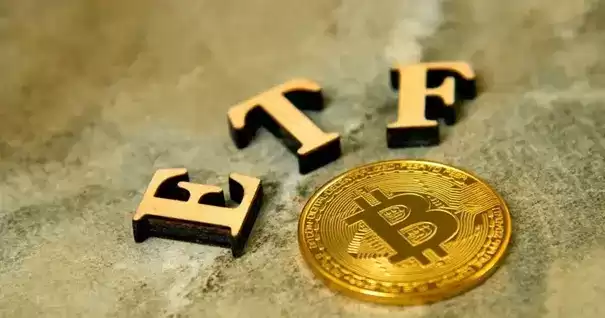
Obtain information on various Bitcoin ETFs, including their expense ratios and management fees. Expense ratios are typically expressed as an annual percentage of assets under management (AUM). Management fees are additional charges levied by the fund's manager.
Step 2: Calculate Total Handling FeesMultiply the expense ratio by the amount of Bitcoin you plan to invest. For instance, if you intend to invest $10,000 and the expense ratio is 2%, your annual handling fee will be $10,000 x 0.02 = $200.
Step 3: Compare Management FeesReview and compare the management fees charged by different ETFs. These fees are typically stated as a fixed percentage of AUM. Select the ETF with the lowest management fee to minimize the impact on your investment returns.
Step 4: Factor in Other CostsIn addition to handling fees, consider other costs associated with investing in Bitcoin ETFs, such as brokerage commission, trading fees, and bid-ask spreads. These fees can vary depending on the platform and broker you use.
Step 5: Select the Most Cost-Effective OptionAfter considering all relevant factors, select the Bitcoin ETF that offers the lowest overall handling fees. The fund with the most competitive expense ratio and management fees, as well as minimal other costs, should be your preferred choice.
Disclaimer:info@kdj.com
The information provided is not trading advice. kdj.com does not assume any responsibility for any investments made based on the information provided in this article. Cryptocurrencies are highly volatile and it is highly recommended that you invest with caution after thorough research!
If you believe that the content used on this website infringes your copyright, please contact us immediately (info@kdj.com) and we will delete it promptly.






- Japan, XRP, and the XRP Army: A Quiet Revolution in Global Finance?
- 2026-09-13 20:35:02
- Unconfirmed Buzz: Chainlink Whales, 10M LINK, and the 17% Correction – What's Really Going On?
- 2026-09-13 16:55:01
- Cardano Price Prediction, Analysis, and Movement: Navigating Market Volatility and Future Potential
- 2026-09-13 16:25:01
- Revolut Data Breach: Fake Government Requests Exploit Security Gaps, Exposing Customer Data
- 2026-09-13 09:00:02
- Blockstream, Liquid Network, Bitcoin: A Standoff Over 'Stolen' Funds
- 2026-09-13 08:35:01
- Ripple RLUSD Circulation Hits $2.4 Billion: A Closer Look at the Stablecoin's Trajectory
- 2026-09-13 04:50:01
Related knowledge
What Happens to the Bitcoin Market When ETF Inflows Reach a Record High?
Aug 22,2026 at 05:39pm
ETF Inflow Mechanics and On-Chain Impact1. Massive inflows into U.S. spot Bitcoin ETFs directly increase demand for physical BTC on exchanges, trigger...
Can Bitcoin ETFs Cause Bitcoin to Rise or Fall? How Much Impact Do They Have?
Aug 20,2026 at 07:39pm
Bitcoin ETFs and Price Discovery Mechanisms1. Bitcoin ETFs introduce institutional-grade order flow into traditional equity venues, thereby altering t...
Are Bitcoin ETF Inflows a Bullish Signal? What Does Strong Demand Really Mean?
Aug 22,2026 at 03:00pm
ETF Inflows and Institutional Validation1. Net inflows of $299.8 million into U.S.-listed spot Bitcoin ETFs mark a decisive reversal from prior outflo...
Why Are Bitcoin ETF Flows Important? Can They Predict the Next BTC Move?
Aug 18,2026 at 02:59pm
Bitcoin ETF Flows as Institutional Sentiment Barometers1. Net inflows into U.S. spot Bitcoin ETFs reflect real-time capital allocation decisions by as...
How Do Bitcoin ETF Shares Get Created and Redeemed? Where Does the BTC Move?
Aug 30,2026 at 12:40pm
Creation Process of Bitcoin ETF Shares1. Authorized Participants (APs) submit creation requests to the ETF issuer, specifying the number of shares des...
What Is a Bitcoin ETF Premium or Discount? Why Does It Happen?
Aug 30,2026 at 07:20pm
Market Volatility Patterns1. Bitcoin price swings often exceed 5% within a single trading session during periods of high liquidity imbalance. 2. Altco...
What Happens to the Bitcoin Market When ETF Inflows Reach a Record High?
Aug 22,2026 at 05:39pm
ETF Inflow Mechanics and On-Chain Impact1. Massive inflows into U.S. spot Bitcoin ETFs directly increase demand for physical BTC on exchanges, trigger...
Can Bitcoin ETFs Cause Bitcoin to Rise or Fall? How Much Impact Do They Have?
Aug 20,2026 at 07:39pm
Bitcoin ETFs and Price Discovery Mechanisms1. Bitcoin ETFs introduce institutional-grade order flow into traditional equity venues, thereby altering t...
Are Bitcoin ETF Inflows a Bullish Signal? What Does Strong Demand Really Mean?
Aug 22,2026 at 03:00pm
ETF Inflows and Institutional Validation1. Net inflows of $299.8 million into U.S.-listed spot Bitcoin ETFs mark a decisive reversal from prior outflo...
Why Are Bitcoin ETF Flows Important? Can They Predict the Next BTC Move?
Aug 18,2026 at 02:59pm
Bitcoin ETF Flows as Institutional Sentiment Barometers1. Net inflows into U.S. spot Bitcoin ETFs reflect real-time capital allocation decisions by as...
How Do Bitcoin ETF Shares Get Created and Redeemed? Where Does the BTC Move?
Aug 30,2026 at 12:40pm
Creation Process of Bitcoin ETF Shares1. Authorized Participants (APs) submit creation requests to the ETF issuer, specifying the number of shares des...
What Is a Bitcoin ETF Premium or Discount? Why Does It Happen?
Aug 30,2026 at 07:20pm
Market Volatility Patterns1. Bitcoin price swings often exceed 5% within a single trading session during periods of high liquidity imbalance. 2. Altco...
See all articles


