













![[Multi SUB] (Full Episode) A beautiful internet celebrity never expected that the guy who was looked down upon as a good-for-nothing would turn out to be a billionaire? ! #counterattack#MiniDrama #Wonderful mainland short drama](/uploads/2026/10/12/cryptocurrencies-news/videos/origin_6acc77b37bebb_image_500_375.webp "[Multi SUB] (Full Episode) A beautiful internet celebrity never expected that the guy who was looked down upon as a good-for-nothing would turn out to be a billionaire? ! #counterattack#MiniDrama #Wonderful mainland short drama")






-
 bitcoin
 $84230.825838 USD
1.40% - ethereum
$2573.434510 USD
2.84% - tether
$0.998969 USD
0.00% - bnb
$755.115006 USD
0.97% - xrp
$1.414487 USD
1.40% - usd-coin
$0.999888 USD
0.00% - solana
$112.719414 USD
2.81% - tron
$0.331681 USD
0.46% - zcash
$1331.331394 USD
8.39% - hyperliquid
$87.827220 USD
3.43% - dogecoin
$0.087594 USD
2.64% - monero
$534.908269 USD
1.31% - chainlink
$13.421107 USD
4.11% - cardano
$0.253354 USD
2.03% - unus-sed-leo
$8.887429 USD
-0.18%










Will Bitcoin ETF fees affect the rate of return on investment?
The expense ratio charged by Bitcoin ETFs reduces net returns, with a compounded effect over time that can significantly erode long-term gains.
Oct 17, 2024 at 03:53 pm
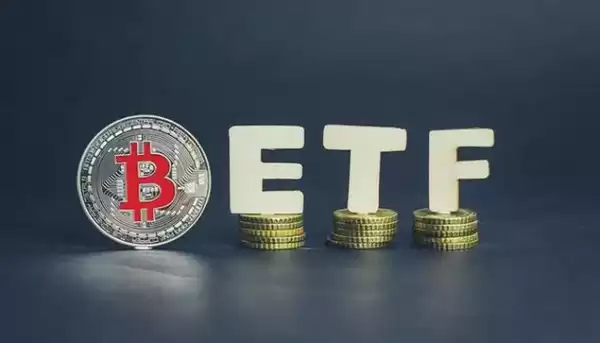
Bitcoin exchange-traded funds (ETFs) are investment vehicles that track the price of Bitcoin, allowing investors to gain exposure without directly holding the cryptocurrency.
2. ETF Fees StructureETFs typically charge an annual expense ratio, which covers management and operating costs. This fee can vary between different ETFs, ranging from 0.5% to 2%.
3. Impact on Rate of ReturnThe ETF fee can impact the rate of return on investment in the following ways:
- Lowering Returns: The expense ratio reduces the net return generated by the ETF. For example, an ETF with a 1% expense ratio will have a lower return than an ETF with a 0.5% expense ratio, assuming the underlying Bitcoin price performance is the same.
- Compounded Effect: The expense ratio is an ongoing charge, meaning it compounds over time. This can significantly erode returns over extended holding periods.
When evaluating the impact of ETF fees on return, consider the following factors:
- Management Fees: ETFs with active management may charge higher fees than passively managed ETFs.
- Trading Frequency: ETFs that trade frequently (high turnover) may incur higher transaction costs, which can further reduce returns.
- Market Conditions: In volatile markets, ETFs with higher fees may underperform due to the compounding effect of expenses.
To minimize the impact of ETF fees, investors can:
- Choose ETFs with Lower Fees: Compare expense ratios and select ETFs with the lowest possible charges.
- Invest for the Long Term: Short-term fluctuations in the ETF price can overshadow the impact of fees over extended holding periods.
- Consider Direct Bitcoin Purchase: If fees are a significant concern, consider buying Bitcoin directly through a cryptocurrency exchange or custodian.
While ETF fees can impact the return on investment in Bitcoin ETFs, it is important to consider the overall factors affecting returns, such as the underlying Bitcoin price performance and holding period. By comparing fees and implementing strategies to minimize their impact, investors can maximize their potential returns.
Disclaimer:info@kdj.com
The information provided is not trading advice. kdj.com does not assume any responsibility for any investments made based on the information provided in this article. Cryptocurrencies are highly volatile and it is highly recommended that you invest with caution after thorough research!
If you believe that the content used on this website infringes your copyright, please contact us immediately (info@kdj.com) and we will delete it promptly.






- Tether Freezes $10M in USDT Tied to CryptoBilis Ledger Theft: A Deep Dive into Stablecoin Security
- 2026-10-13 00:35:01
- Dom Kwok and XRP Army Unite Against Hacking Threats: Key Security Insights Revealed
- 2026-10-12 20:45:02
- Dollar Index: 18-Month High and Its Impact on Global Markets
- 2026-10-12 20:45:02
- ZachXBT Questions $250K XRP Bug Bounty, Standard Chartered Expands RLUSD Custody
- 2026-10-12 20:50:01
- CFTC Crypto Regulation Can Advance Under Existing Law, Pham Says, No Need to Wait for Congress
- 2026-10-12 20:50:01
- Kraken's UAE Launch: Full VARA Approval Unleashes AED Trading and Staking Power
- 2026-10-12 20:55:01
Related knowledge
What Happens to the Bitcoin Market When ETF Inflows Reach a Record High?
Aug 22,2026 at 05:39pm
ETF Inflow Mechanics and On-Chain Impact1. Massive inflows into U.S. spot Bitcoin ETFs directly increase demand for physical BTC on exchanges, trigger...
Can Bitcoin ETFs Cause Bitcoin to Rise or Fall? How Much Impact Do They Have?
Aug 20,2026 at 07:39pm
Bitcoin ETFs and Price Discovery Mechanisms1. Bitcoin ETFs introduce institutional-grade order flow into traditional equity venues, thereby altering t...
Are Bitcoin ETF Inflows a Bullish Signal? What Does Strong Demand Really Mean?
Aug 22,2026 at 03:00pm
ETF Inflows and Institutional Validation1. Net inflows of $299.8 million into U.S.-listed spot Bitcoin ETFs mark a decisive reversal from prior outflo...
Why Are Bitcoin ETF Flows Important? Can They Predict the Next BTC Move?
Aug 18,2026 at 02:59pm
Bitcoin ETF Flows as Institutional Sentiment Barometers1. Net inflows into U.S. spot Bitcoin ETFs reflect real-time capital allocation decisions by as...
How Do Bitcoin ETF Shares Get Created and Redeemed? Where Does the BTC Move?
Aug 30,2026 at 12:40pm
Creation Process of Bitcoin ETF Shares1. Authorized Participants (APs) submit creation requests to the ETF issuer, specifying the number of shares des...
What Is a Bitcoin ETF Premium or Discount? Why Does It Happen?
Aug 30,2026 at 07:20pm
Market Volatility Patterns1. Bitcoin price swings often exceed 5% within a single trading session during periods of high liquidity imbalance. 2. Altco...
What Happens to the Bitcoin Market When ETF Inflows Reach a Record High?
Aug 22,2026 at 05:39pm
ETF Inflow Mechanics and On-Chain Impact1. Massive inflows into U.S. spot Bitcoin ETFs directly increase demand for physical BTC on exchanges, trigger...
Can Bitcoin ETFs Cause Bitcoin to Rise or Fall? How Much Impact Do They Have?
Aug 20,2026 at 07:39pm
Bitcoin ETFs and Price Discovery Mechanisms1. Bitcoin ETFs introduce institutional-grade order flow into traditional equity venues, thereby altering t...
Are Bitcoin ETF Inflows a Bullish Signal? What Does Strong Demand Really Mean?
Aug 22,2026 at 03:00pm
ETF Inflows and Institutional Validation1. Net inflows of $299.8 million into U.S.-listed spot Bitcoin ETFs mark a decisive reversal from prior outflo...
Why Are Bitcoin ETF Flows Important? Can They Predict the Next BTC Move?
Aug 18,2026 at 02:59pm
Bitcoin ETF Flows as Institutional Sentiment Barometers1. Net inflows into U.S. spot Bitcoin ETFs reflect real-time capital allocation decisions by as...
How Do Bitcoin ETF Shares Get Created and Redeemed? Where Does the BTC Move?
Aug 30,2026 at 12:40pm
Creation Process of Bitcoin ETF Shares1. Authorized Participants (APs) submit creation requests to the ETF issuer, specifying the number of shares des...
What Is a Bitcoin ETF Premium or Discount? Why Does It Happen?
Aug 30,2026 at 07:20pm
Market Volatility Patterns1. Bitcoin price swings often exceed 5% within a single trading session during periods of high liquidity imbalance. 2. Altco...
See all articles


