










![[Sep 22 2026] BTC & ALT Price AI Prediction / BTC 8-Month High as $750M Shorts Liquidated (ENG SUB)](/uploads/2026/09/22/cryptocurrencies-news/videos/origin_6ab2232a324dc_image_500_375.webp "[Sep 22 2026] BTC & ALT Price AI Prediction / BTC 8-Month High as $750M Shorts Liquidated (ENG SUB)")






-
 bitcoin
 $85436.612498 USD
4.85% - ethereum
$2731.804718 USD
2.84% - tether
$0.999829 USD
0.01% - bnb
$786.927205 USD
2.00% - xrp
$1.522258 USD
6.12% - usd-coin
$1.000041 USD
0.01% - solana
$116.695858 USD
4.24% - tron
$0.348438 USD
1.63% - zcash
$1497.916524 USD
0.12% - hyperliquid
$94.476078 USD
0.68% - dogecoin
$0.099785 USD
12.16% - monero
$576.959659 USD
-6.77% - chainlink
$12.919852 USD
3.03% - cardano
$0.245466 USD
5.73% - unus-sed-leo
$8.971529 USD
0.51%











What does Whale mean in the cryptocurrency world
Whales, influential market participants with substantial cryptocurrency holdings, shape market dynamics, execute large-scale transactions, and provide liquidity and depth to the ecosystem.
Nov 04, 2024 at 10:40 am
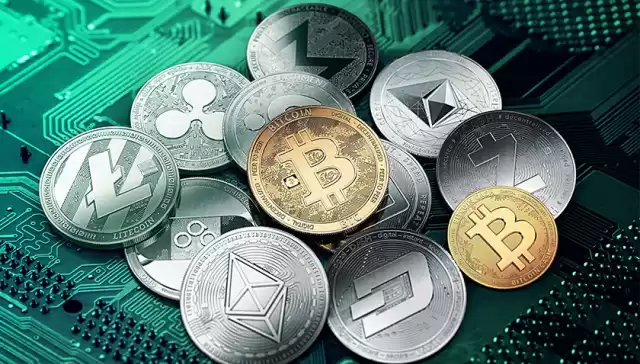
Whale Definition in the Cryptocurrency Context
In the realm of cryptocurrency, the term "Whale" refers to a specific type of market participant who wields significant influence due to their immense holdings of a particular cryptocurrency. Whales possess the ability to manipulate market prices, execute large-volume transactions, and profoundly impact the entire ecosystem's trajectory.
Characteristics of Whaleswhales are typically distinguished by the following attributes:
- Large Holdings:Whales hold a substantial proportion of a specific cryptocurrency, allowing them to dominate its trading activity and exert their influence on the market.
- Market Manipulation:Whales often strategically buy and sell large quantities of their desired cryptocurrency to control its price movements and profit from the resulting fluctuations.
- Liquidity Provision:Whales help facilitate liquidity and stability in a cryptocurrency market by injecting substantial funds and actively trading their holdings.
- Whale Watching:Other market participants monitor whale activity closely to gauge potential market trends and inform their own trading decisions.
While whales may sometimes face criticism for their perceived manipulation tactics, they also play a crucial role in the cryptocurrency ecosystem:
- Liquidity: Whales provide essential liquidity to the market, allowing smaller investors to buy and sell their crypto assets with greater ease.
- Market Depth: Whale participation adds depth to a cryptocurrency's order book, making it more attractive to potential investors and traders.
- Price Discovery: Whale trades often provide valuable insights into the true supply and demand dynamics of a particular cryptocurrency, aiding in price discovery.
- Risk Mitigation: Whales can sometimes help mitigate market downturns by stepping in to buy crypto assets in large quantities, supporting their price and preventing excessive selloffs.
Some notable examples of Bitcoin whales include:
- Barry Silbert, founder and CEO of Digital Currency Group
- Winklevoss twins, founders of Gemini exchange
- Michael Saylor, CEO of MicroStrategy
- Osprey Funds LLC, a digital asset management company
- Grayscale Investments LLC, a cryptocurrency investment firm
Disclaimer:info@kdj.com
The information provided is not trading advice. kdj.com does not assume any responsibility for any investments made based on the information provided in this article. Cryptocurrencies are highly volatile and it is highly recommended that you invest with caution after thorough research!
If you believe that the content used on this website infringes your copyright, please contact us immediately (info@kdj.com) and we will delete it promptly.






- Near.com and Ondo Finance Forge a New Frontier for Tokenized Stocks, ETFs, and Commodities
- 2026-09-23 05:05:01
- NEAR Protocol Solutions Tackle Lost Keys and Enhance Usability with Readable Accounts
- 2026-09-23 05:05:01
- Zcash Takes Center Stage: European ETP Launch Follows US ETF Approval, Igniting 'Bitcoin Alternative' Debate
- 2026-09-23 05:10:01
- 21Shares Expands Product Suite with New Zcash ETP, Enhancing European Investor Access
- 2026-09-23 04:50:01
- Aave Borrowing Limit, Bitcoin-Backed Loans: Strike's 'Volatility-Proof' Solution Amidst Tightening Aave Proposals
- 2026-09-23 05:10:01
- CME Group Expands Crypto Offerings with Bitcoin Cash and Uniswap Futures Amidst Growing Institutional Interest
- 2026-09-23 05:15:01
Related knowledge

What Is DAI and How Is It Different From USDT?
Sep 08,2026 at 05:00pm
Market Volatility Patterns1. Price swings exceeding 15% within a 24-hour window have occurred in over 68% of Bitcoin’s trading days since 2021. 2. Eth...

USDT, USDC and DAI: How Are These Stablecoins Different?
Sep 20,2026 at 05:59am
Bitcoin Halving Mechanics1. Bitcoin’s protocol enforces a fixed issuance schedule where block rewards are cut in half approximately every 210,000 bloc...

Why Can a Stablecoin Lose Its $1 Peg?
Sep 08,2026 at 02:00am
Reserve Composition and Transparency Gaps1. Many stablecoins claim to be fully backed by cash or short-duration US Treasuries, yet reserve disclosures...

What Is Self-Custody in Crypto and Why Does It Matter?
Sep 10,2026 at 04:19am
Definition and Core Mechanics1. Self-custody refers to the practice where individuals retain full control over their private keys without delegating t...

Custodial vs Non-Custodial Wallets: What’s the Difference?
Sep 17,2026 at 03:19am
Custodial Wallets Defined1. A custodial wallet is a digital asset storage solution where a third-party service provider holds and manages users’ priva...

What Is a Multisig Wallet and When Is It Useful?
Sep 12,2026 at 02:20pm
Definition and Core Architecture1. A multisig wallet is a cryptographic construct that requires multiple private keys to authorize a single blockchain...
What Is DAI and How Is It Different From USDT?
Sep 08,2026 at 05:00pm
Market Volatility Patterns1. Price swings exceeding 15% within a 24-hour window have occurred in over 68% of Bitcoin’s trading days since 2021. 2. Eth...
USDT, USDC and DAI: How Are These Stablecoins Different?
Sep 20,2026 at 05:59am
Bitcoin Halving Mechanics1. Bitcoin’s protocol enforces a fixed issuance schedule where block rewards are cut in half approximately every 210,000 bloc...
Why Can a Stablecoin Lose Its $1 Peg?
Sep 08,2026 at 02:00am
Reserve Composition and Transparency Gaps1. Many stablecoins claim to be fully backed by cash or short-duration US Treasuries, yet reserve disclosures...
What Is Self-Custody in Crypto and Why Does It Matter?
Sep 10,2026 at 04:19am
Definition and Core Mechanics1. Self-custody refers to the practice where individuals retain full control over their private keys without delegating t...
Custodial vs Non-Custodial Wallets: What’s the Difference?
Sep 17,2026 at 03:19am
Custodial Wallets Defined1. A custodial wallet is a digital asset storage solution where a third-party service provider holds and manages users’ priva...
What Is a Multisig Wallet and When Is It Useful?
Sep 12,2026 at 02:20pm
Definition and Core Architecture1. A multisig wallet is a cryptographic construct that requires multiple private keys to authorize a single blockchain...
See all articles


