




















-
 bitcoin
$61769.147764 USD
-2.81% - ethereum
$1743.384989 USD
-3.33% - tether
$0.999069 USD
0.02% - bnb
$571.804060 USD
-2.80% - usd-coin
$0.999854 USD
0.00% - xrp
$0.966271 USD
-1.46% - solana
$72.584973 USD
-3.00% - tron
$0.309764 USD
-0.92% - hyperliquid
$65.747085 USD
-3.44% - zcash
$851.603224 USD
-9.10% - dogecoin
$0.057499 USD
-3.10% - monero
$477.774191 USD
-4.85% - unus-sed-leo
$9.211262 USD
-1.40% - chainlink
$8.864427 USD
-3.12% - cardano
$0.149815 USD
-2.47%











can satoshi nakamoto zelle money
Despite Zelle's lack of anonymity safeguards, law enforcement may potentially trace Bitcoin transactions linked to Satoshi Nakamoto through Zelle connections, though significant challenges remain due to time and potential privacy measures taken.
Oct 21, 2024 at 10:18 pm
Zelle is a digital payment network that allows users to transfer funds between bank accounts using only a recipient's email address or phone number. The platform provides convenience and speed but also raises concerns about privacy.
Zelle transactions are typically processed instantly, and the funds are available in the recipient's account within minutes. However, Zelle does not have any built-in features that allow for the anonymity of users.
2. Tracing Zelle TransactionsWhile Zelle itself does not provide anonymity, law enforcement agencies and financial institutions have the ability to trace Zelle transactions.
- Banks: Banks are required to maintain records of all financial transactions, including Zelle transactions. Law enforcement can subpoena these records if they have reasonable suspicion that a crime has been committed.
- Zelle: Zelle also cooperates with law enforcement investigations by providing transaction data and user information when legally required.
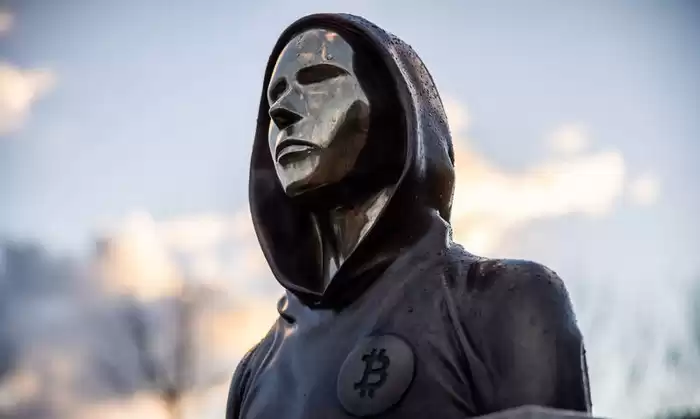
Satoshi Nakamoto, the pseudonymous creator of Bitcoin, has not been publicly identified. However, some researchers have attempted to trace their identity by analyzing Bitcoin transactions.
- Identifying Potential Transactions: Researchers have searched for Bitcoin transactions that occurred around the time of Bitcoin's creation and were made from an address associated with Satoshi Nakamoto.
- Analyzing Zelle Connections: If any of these transactions were made using Zelle, law enforcement could potentially trace them to the identity of the Zelle user who received the funds.
While tracing Satoshi Nakamoto using Zelle is theoretically possible, there are significant challenges involved.
- Privacy Features: Zelle does not provide built-in anonymity features, but users can take steps to protect their privacy, such as using disposable email addresses or phone numbers.
- Time Lapse: Since Bitcoin's creation in 2009, many years have passed and the trail of transactions may have become obscured or lost.
- Multiple Transactions: Satoshi Nakamoto may have made multiple transactions using different addresses, making it difficult to identify a definitive pattern.
While it is possible to trace Zelle transactions, tracing Satoshi Nakamoto using Zelle is a complex and challenging task. The privacy features of Zelle, the time lapse since Bitcoin's creation, and the potential use of multiple addresses make it unlikely that Satoshi Nakamoto's identity will be definitively revealed through this method alone.
Disclaimer:info@kdj.com
The information provided is not trading advice. kdj.com does not assume any responsibility for any investments made based on the information provided in this article. Cryptocurrencies are highly volatile and it is highly recommended that you invest with caution after thorough research!
If you believe that the content used on this website infringes your copyright, please contact us immediately (info@kdj.com) and we will delete it promptly.






- Bybit, Anthropic, and the Shifting Sands of Stock Trading: A New York Minute on Wall Street's Digital Frontier
- 2026-11-20 12:30:03
- Ledger CTO's Departure Signals Evolving Crypto Asset Security Landscape Amidst New Threats
- 2026-11-20 08:35:01
- GTA VI Frenzy, Nvidia's AI Hurdles, and SpaceX's Texas Gamble: A Tech Trifecta
- 2026-11-20 04:35:01
- Egrag Crypto's XRP Investment Strategy: Patience, Not Perfection, for Holders
- 2026-11-20 04:35:01
- Bitcoin Price Plummets Amid Federal Reserve Rate Hike Fears and Crypto Crash
- 2026-11-19 12:30:02
- Navigating Geopolitical Storms: Portfolio Resilience, Wealth Preservation, and the Shifting Sands of Access
- 2026-11-19 12:45:01
Related knowledge
What Is DAI and How Is It Different From USDT?
Sep 08,2026 at 05:00pm
Market Volatility Patterns1. Price swings exceeding 15% within a 24-hour window have occurred in over 68% of Bitcoin’s trading days since 2021. 2. Eth...
USDT, USDC and DAI: How Are These Stablecoins Different?
Sep 20,2026 at 05:59am
Bitcoin Halving Mechanics1. Bitcoin’s protocol enforces a fixed issuance schedule where block rewards are cut in half approximately every 210,000 bloc...
Why Can a Stablecoin Lose Its $1 Peg?
Sep 08,2026 at 02:00am
Reserve Composition and Transparency Gaps1. Many stablecoins claim to be fully backed by cash or short-duration US Treasuries, yet reserve disclosures...
What Is a Crypto Stablecoin Depeg?
Sep 24,2026 at 04:39pm
Definition and Mechanism of Depegging1. A crypto stablecoin depeg occurs when the market price of a stablecoin deviates significantly from its intende...
What Is Self-Custody in Crypto and Why Does It Matter?
Sep 10,2026 at 04:19am
Definition and Core Mechanics1. Self-custody refers to the practice where individuals retain full control over their private keys without delegating t...
Custodial vs Non-Custodial Wallets: What’s the Difference?
Sep 17,2026 at 03:19am
Custodial Wallets Defined1. A custodial wallet is a digital asset storage solution where a third-party service provider holds and manages users’ priva...
What Is DAI and How Is It Different From USDT?
Sep 08,2026 at 05:00pm
Market Volatility Patterns1. Price swings exceeding 15% within a 24-hour window have occurred in over 68% of Bitcoin’s trading days since 2021. 2. Eth...
USDT, USDC and DAI: How Are These Stablecoins Different?
Sep 20,2026 at 05:59am
Bitcoin Halving Mechanics1. Bitcoin’s protocol enforces a fixed issuance schedule where block rewards are cut in half approximately every 210,000 bloc...
Why Can a Stablecoin Lose Its $1 Peg?
Sep 08,2026 at 02:00am
Reserve Composition and Transparency Gaps1. Many stablecoins claim to be fully backed by cash or short-duration US Treasuries, yet reserve disclosures...
What Is a Crypto Stablecoin Depeg?
Sep 24,2026 at 04:39pm
Definition and Mechanism of Depegging1. A crypto stablecoin depeg occurs when the market price of a stablecoin deviates significantly from its intende...
What Is Self-Custody in Crypto and Why Does It Matter?
Sep 10,2026 at 04:19am
Definition and Core Mechanics1. Self-custody refers to the practice where individuals retain full control over their private keys without delegating t...
Custodial vs Non-Custodial Wallets: What’s the Difference?
Sep 17,2026 at 03:19am
Custodial Wallets Defined1. A custodial wallet is a digital asset storage solution where a third-party service provider holds and manages users’ priva...
See all articles


