














-
 bitcoin
 $86353.520310 USD
1.06% - ethereum
$2748.504094 USD
0.61% - tether
$0.999805 USD
0.00% - bnb
$789.713139 USD
0.35% - xrp
$1.621177 USD
6.50% - usd-coin
$0.999968 USD
-0.01% - solana
$118.732892 USD
1.75% - tron
$0.343839 USD
-1.32% - zcash
$1622.688363 USD
8.33% - hyperliquid
$97.151941 USD
2.83% - dogecoin
$0.101886 USD
2.10% - monero
$571.352536 USD
-0.93% - chainlink
$13.016236 USD
0.75% - cardano
$0.257732 USD
5.00% - unus-sed-leo
$8.985389 USD
0.15%











What Is an "Algorithm?
An algorithm is a defined set of instructions designed to solve computational problems, characterized by its finiteness, definiteness, and effectiveness in producing outputs.
Oct 16, 2024 at 03:13 pm
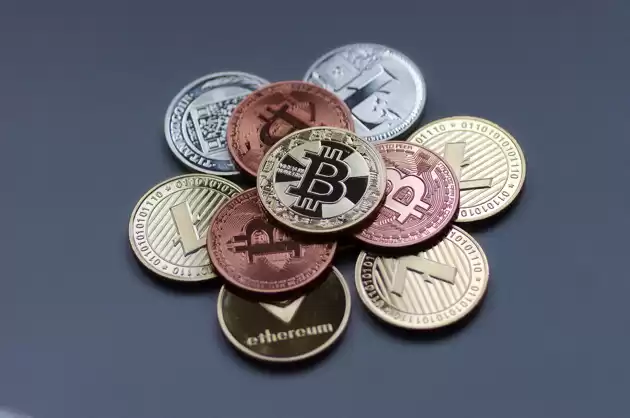
What Is an Algorithm?
An algorithm is a finite set of well-defined instructions that can be used to solve a computational problem. The instructions are typically expressed in a programming language, and the algorithm is said to be implemented in that language.
Characteristics of an Algorithm
An algorithm must have the following characteristics:
Finiteness: The algorithm must have a finite number of instructions.
Definiteness: The instructions must be clear and unambiguous.
Input: The algorithm must have one or more inputs.
Output: The algorithm must produce one or more outputs.
Effectiveness: The algorithm must be able to solve the problem for which it was designed.
Types of Algorithms
There are many different types of algorithms, but they can be broadly classified into two categories:
Deterministic algorithms: These algorithms always produce the same output for a given input.
Non-deterministic algorithms: These algorithms may produce different outputs for the same input.
Examples of Algorithms
Some examples of algorithms include:
Sorting algorithms: These algorithms sort a list of elements into a particular order.
Searching algorithms: These algorithms search for an element in a list or array.
Graph algorithms: These algorithms solve problems related to graphs, such as finding the shortest path between two nodes.
Applications of Algorithms
Algorithms are used in a wide variety of applications, including:
Computer science: Algorithms are used to design and implement computer programs.
Mathematics: Algorithms are used to solve mathematical problems.
Physics: Algorithms are used to model and simulate physical systems.
Biology: Algorithms are used to analyze genetic data and identify patterns in biological systems.
Business: Algorithms are used to optimize business processes and make decisions.
Disclaimer:info@kdj.com
The information provided is not trading advice. kdj.com does not assume any responsibility for any investments made based on the information provided in this article. Cryptocurrencies are highly volatile and it is highly recommended that you invest with caution after thorough research!
If you believe that the content used on this website infringes your copyright, please contact us immediately (info@kdj.com) and we will delete it promptly.






- SUI Price News: Huge Indicator Signals Bullish Reversal After Steep Decline
- 2026-09-24 00:45:01
- BlackRock Spotlights AI's Undervalued Role in Driving Crypto Demand and Tokenized Compute Markets
- 2026-09-23 16:45:01
- Altcoins Set to Soar as Bitcoin Eyes $150K: What New Yorkers Need to Know About Price Predictions
- 2026-09-23 16:35:01
- Near.com and Ondo Finance Forge a New Frontier for Tokenized Stocks, ETFs, and Commodities
- 2026-09-23 05:05:01
- NEAR Protocol Solutions Tackle Lost Keys and Enhance Usability with Readable Accounts
- 2026-09-23 05:05:01
- Zcash Takes Center Stage: European ETP Launch Follows US ETF Approval, Igniting 'Bitcoin Alternative' Debate
- 2026-09-23 05:10:01
Related knowledge

What Is DAI and How Is It Different From USDT?
Sep 08,2026 at 05:00pm
Market Volatility Patterns1. Price swings exceeding 15% within a 24-hour window have occurred in over 68% of Bitcoin’s trading days since 2021. 2. Eth...
USDT, USDC and DAI: How Are These Stablecoins Different?
Sep 20,2026 at 05:59am
Bitcoin Halving Mechanics1. Bitcoin’s protocol enforces a fixed issuance schedule where block rewards are cut in half approximately every 210,000 bloc...

Why Can a Stablecoin Lose Its $1 Peg?
Sep 08,2026 at 02:00am
Reserve Composition and Transparency Gaps1. Many stablecoins claim to be fully backed by cash or short-duration US Treasuries, yet reserve disclosures...

What Is Self-Custody in Crypto and Why Does It Matter?
Sep 10,2026 at 04:19am
Definition and Core Mechanics1. Self-custody refers to the practice where individuals retain full control over their private keys without delegating t...

Custodial vs Non-Custodial Wallets: What’s the Difference?
Sep 17,2026 at 03:19am
Custodial Wallets Defined1. A custodial wallet is a digital asset storage solution where a third-party service provider holds and manages users’ priva...

What Is a Multisig Wallet and When Is It Useful?
Sep 12,2026 at 02:20pm
Definition and Core Architecture1. A multisig wallet is a cryptographic construct that requires multiple private keys to authorize a single blockchain...
What Is DAI and How Is It Different From USDT?
Sep 08,2026 at 05:00pm
Market Volatility Patterns1. Price swings exceeding 15% within a 24-hour window have occurred in over 68% of Bitcoin’s trading days since 2021. 2. Eth...
USDT, USDC and DAI: How Are These Stablecoins Different?
Sep 20,2026 at 05:59am
Bitcoin Halving Mechanics1. Bitcoin’s protocol enforces a fixed issuance schedule where block rewards are cut in half approximately every 210,000 bloc...
Why Can a Stablecoin Lose Its $1 Peg?
Sep 08,2026 at 02:00am
Reserve Composition and Transparency Gaps1. Many stablecoins claim to be fully backed by cash or short-duration US Treasuries, yet reserve disclosures...
What Is Self-Custody in Crypto and Why Does It Matter?
Sep 10,2026 at 04:19am
Definition and Core Mechanics1. Self-custody refers to the practice where individuals retain full control over their private keys without delegating t...
Custodial vs Non-Custodial Wallets: What’s the Difference?
Sep 17,2026 at 03:19am
Custodial Wallets Defined1. A custodial wallet is a digital asset storage solution where a third-party service provider holds and manages users’ priva...
What Is a Multisig Wallet and When Is It Useful?
Sep 12,2026 at 02:20pm
Definition and Core Architecture1. A multisig wallet is a cryptographic construct that requires multiple private keys to authorize a single blockchain...
See all articles


