















![Ultra Paracosm by IlIRuLaSIlI [3 coin] | Easy demon | Geometry dash](/uploads/2026/01/31/cryptocurrencies-news/videos/origin_697d592372464_image_500_375.webp "Ultra Paracosm by IlIRuLaSIlI [3 coin] | Easy demon | Geometry dash")








-
 bitcoin
 $87959.907984 USD
1.34% - ethereum
$2920.497338 USD
3.04% - tether
$0.999775 USD
0.00% - xrp
$2.237324 USD
8.12% - bnb
$860.243768 USD
0.90% - solana
$138.089498 USD
5.43% - usd-coin
$0.999807 USD
0.01% - tron
$0.272801 USD
-1.53% - dogecoin
$0.150904 USD
2.96% - cardano
$0.421635 USD
1.97% - hyperliquid
$32.152445 USD
2.23% - bitcoin-cash
$533.301069 USD
-1.94% - chainlink
$12.953417 USD
2.68% - unus-sed-leo
$9.535951 USD
0.73% - zcash
$521.483386 USD
-2.87%











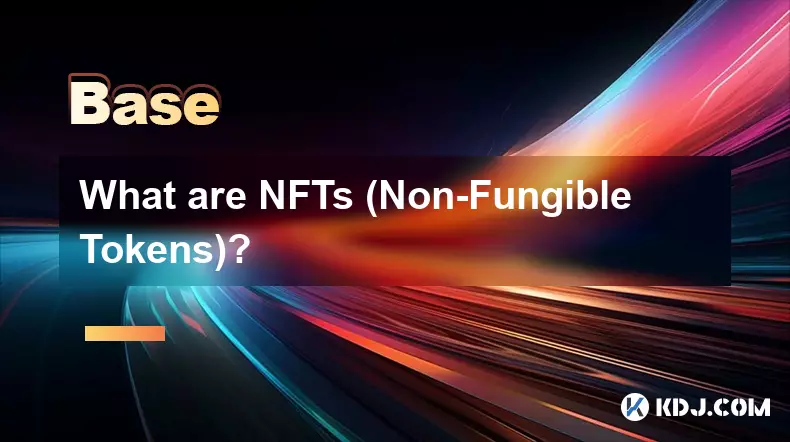
What are NFTs (Non-Fungible Tokens)?
NFTs are unique digital assets verified by blockchain, enabling ownership of art, music, and more through scarcity, authenticity, and creator royalties.
Nov 29, 2025 at 11:19 pm
Understanding the Concept of NFTs
1. NFTs, or Non-Fungible Tokens, are unique digital assets verified using blockchain technology. Unlike cryptocurrencies such as Bitcoin or Ethereum, which are fungible and can be exchanged on a one-to-one basis, each NFT carries distinct information that makes it irreplaceable and non-interchangeable.
2. These tokens are typically built on blockchain networks like Ethereum, though other platforms such as Solana, Binance Smart Chain, and Flow also support NFT creation. The use of decentralized ledgers ensures transparency, security, and proof of ownership for every token minted.
3. An NFT can represent ownership of various forms of digital content including artwork, music, videos, virtual real estate, and even tweets. Once an item is tokenized, its authenticity and transaction history become permanently recorded on the blockchain.
4. Digital scarcity is a key feature enabled by NFTs. Creators can issue a limited number of copies—sometimes only one—thereby creating value through exclusivity. This has transformed how digital goods are perceived, shifting them from freely reproducible files to collectible items with verifiable provenance.
5. The rise of NFTs has empowered artists and content creators to monetize their work directly without relying solely on traditional intermediaries like galleries or record labels. Royalty mechanisms embedded in smart contracts allow creators to earn a percentage each time their NFT is resold.
The Role of Blockchain in NFT Verification
1. Blockchain serves as the foundational infrastructure for NFTs, providing immutable records of ownership and transfer. Every transaction involving an NFT is stored across a distributed network of nodes, making tampering virtually impossible.
2. Smart contracts automate the rules governing NFTs, including issuance, sale conditions, and royalty distribution. These self-executing agreements run on blockchain platforms and eliminate the need for third-party enforcement.
3. Each NFT contains metadata that distinguishes it from others. This data may include details about the creator, creation date, attributes, and links to the associated digital file hosted either on-chain or off-chain via IPFS (InterPlanetary File System).
4. Public blockchains allow anyone to verify the authenticity of an NFT by inspecting its transaction history. This transparency reduces fraud and counterfeit risks, which have historically plagued digital collectibles.
5. While Ethereum remains the most popular network for NFTs due to its mature ecosystem and developer tools, scalability issues and high gas fees have driven interest in alternative blockchains offering faster transactions and lower costs.
NFT Marketplaces and Trading Dynamics
1. Numerous online platforms facilitate the buying, selling, and trading of NFTs. Prominent marketplaces include OpenSea, Rarible, Foundation, and Blur. Each platform offers different curation models, fee structures, and community features tailored to specific niches.
2. Users interact with these platforms through cryptocurrency wallets like MetaMask or Phantom, linking their digital identity to their NFT holdings. Wallet integration enables seamless authentication and transaction signing without centralized login systems.
3. Pricing in the NFT market is highly speculative and influenced by factors such as rarity, creator reputation, community engagement, and cultural relevance. Some NFT collections have achieved multi-million dollar valuations during peak demand periods.
4. Auction formats are commonly used for high-value drops, allowing bidders to compete over a set duration. Dutch auctions, where prices start high and decrease until a purchase occurs, are also employed to maximize initial sales velocity.
5. Liquidity varies significantly across NFT projects; while blue-chip collections like CryptoPunks or Bored Ape Yacht Club maintain active secondary markets, many lesser-known tokens struggle to attract consistent trading volume.
Utility Beyond Digital Art
1. NFTs are being integrated into gaming ecosystems to represent in-game assets such as weapons, skins, and characters. Players truly own these items and can transfer them between compatible games or sell them independently of any single platform.
2. Virtual worlds like Decentraland and The Sandbox utilize NFTs to denote ownership of digital land parcels. Users can develop these spaces, host events, or lease them to other participants, forming the basis of decentralized metaverse economies.
3. Membership and access rights are increasingly tied to NFT ownership. Certain communities grant exclusive content, event invitations, or governance privileges to holders, effectively turning tokens into digital keys.
4. Intellectual property rights are being redefined through NFTs. Some projects explicitly confer commercial usage rights to buyers, enabling them to create derivative works or merchandise based on the original asset.
5. Token-gated experiences leverage NFT verification to restrict entry to websites, forums, or physical locations. This application enhances exclusivity and strengthens community identity within decentralized networks.
Frequently Asked Questions
What prevents someone from copying an NFT's image?Anyone can download or screenshot the digital file linked to an NFT, but replication does not confer ownership. The blockchain record proves who holds the original token, which carries value through scarcity and social consensus.
Can NFTs exist outside of Ethereum?Yes, multiple blockchains support NFT standards. Solana uses SPL tokens, Binance Smart Chain implements BEP-721, and Tezos has its own FA2 standard. Each network offers trade-offs in speed, cost, and environmental impact.
Are all NFTs valuable?No, the majority of NFTs have minimal market value. Scarcity alone does not guarantee worth; sustained interest, utility, and community backing are critical drivers of long-term valuation.
How do I verify the authenticity of an NFT before purchasing?Check the creator’s official website or social media for verified contract addresses. Use blockchain explorers to review transaction history and ensure the marketplace listing matches the genuine collection.
Disclaimer:info@kdj.com
The information provided is not trading advice. kdj.com does not assume any responsibility for any investments made based on the information provided in this article. Cryptocurrencies are highly volatile and it is highly recommended that you invest with caution after thorough research!
If you believe that the content used on this website infringes your copyright, please contact us immediately (info@kdj.com) and we will delete it promptly.






- Blockchains, Crypto Tokens, Launching: Enterprise Solutions & Real Utility Steal the Spotlight
- 2026-01-31 12:30:02
- Crypto Market Rollercoaster: Bitcoin Crash Recovers Slightly Amidst Altcoin Slump and Lingering Fear
- 2026-01-31 13:10:01
- Solana's Stumble and APEMARS' Rise: Crypto Investors Navigate Volatile Markets
- 2026-01-31 13:05:01
- Bitcoin Options Delta Skew Skyrockets, Signaling Intense Market Fear Amidst Volatility
- 2026-01-31 13:00:02
- Cardano Secures Tier-One Stablecoin: USDCX Arrives Amidst Global Regulatory Push
- 2026-01-31 13:00:02
- A Shining Tribute: Oneida Woman, Washington's Army, and the New $1 Coin
- 2026-01-31 12:55:01
Related knowledge

What is the future of cryptocurrency and blockchain technology?
Jan 11,2026 at 09:19pm
Decentralized Finance Evolution1. DeFi protocols have expanded beyond simple lending and borrowing to include structured products, insurance mechanism...

Who is Satoshi Nakamoto? (The Creator of Bitcoin)
Jan 12,2026 at 07:00am
Origins of the Pseudonym1. Satoshi Nakamoto is the name used by the individual or group who developed Bitcoin, authored its original white paper, and ...
What is a crypto airdrop and how to get one?
Jan 22,2026 at 02:39pm
Understanding Crypto Airdrops1. A crypto airdrop is a distribution of free tokens or coins to multiple wallet addresses, typically initiated by blockc...

What is impermanent loss in DeFi and how to avoid it?
Jan 13,2026 at 11:59am
Understanding Impermanent Loss1. Impermanent loss occurs when the value of tokens deposited into an automated market maker (AMM) liquidity pool diverg...

How to bridge crypto assets between different blockchains?
Jan 14,2026 at 06:19pm
Cross-Chain Bridge Mechanisms1. Atomic swaps enable direct peer-to-peer exchange of assets across two blockchains without intermediaries, relying on h...

What is a whitepaper and how to read one?
Jan 12,2026 at 07:19am
Understanding the Whitepaper Structure1. A whitepaper in the cryptocurrency space functions as a foundational technical and conceptual document outlin...
What is the future of cryptocurrency and blockchain technology?
Jan 11,2026 at 09:19pm
Decentralized Finance Evolution1. DeFi protocols have expanded beyond simple lending and borrowing to include structured products, insurance mechanism...
Who is Satoshi Nakamoto? (The Creator of Bitcoin)
Jan 12,2026 at 07:00am
Origins of the Pseudonym1. Satoshi Nakamoto is the name used by the individual or group who developed Bitcoin, authored its original white paper, and ...
What is a crypto airdrop and how to get one?
Jan 22,2026 at 02:39pm
Understanding Crypto Airdrops1. A crypto airdrop is a distribution of free tokens or coins to multiple wallet addresses, typically initiated by blockc...
What is impermanent loss in DeFi and how to avoid it?
Jan 13,2026 at 11:59am
Understanding Impermanent Loss1. Impermanent loss occurs when the value of tokens deposited into an automated market maker (AMM) liquidity pool diverg...
How to bridge crypto assets between different blockchains?
Jan 14,2026 at 06:19pm
Cross-Chain Bridge Mechanisms1. Atomic swaps enable direct peer-to-peer exchange of assets across two blockchains without intermediaries, relying on h...
What is a whitepaper and how to read one?
Jan 12,2026 at 07:19am
Understanding the Whitepaper Structure1. A whitepaper in the cryptocurrency space functions as a foundational technical and conceptual document outlin...
See all articles


