














-
 bitcoin
$75929.686266 USD
0.79% - ethereum
$2243.026937 USD
1.17% - tether
$0.998697 USD
0.01% - bnb
$693.877219 USD
1.01% - xrp
$1.170044 USD
-1.17% - usd-coin
$0.999860 USD
0.01% - solana
$90.118416 USD
0.78% - tron
$0.318352 USD
-0.01% - zcash
$1315.397863 USD
4.84% - hyperliquid
$79.160002 USD
2.33% - monero
$612.690540 USD
-0.54% - dogecoin
$0.071934 USD
0.77% - unus-sed-leo
$9.338417 USD
0.15% - chainlink
$10.857476 USD
1.48% - cardano
$0.184797 USD
1.10%











What does “Moon” mean in the context of cryptocurrency?
In the cryptosphere, "moon" alludes to a substantial and rapid increase in the value of a particular coin or token, akin to an asset's ascent to celestial heights.
Nov 07, 2024 at 12:48 am
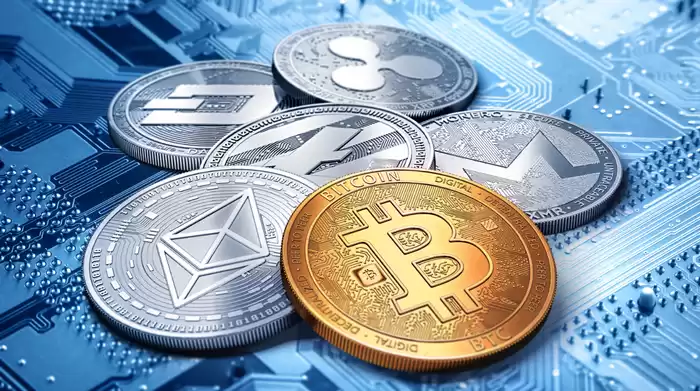
In the vibrant and ever-evolving realm of cryptocurrency, the term "moon" holds significant sway, often evoking visions of meteoric price surges and astronomical profits. Yet, for the uninitiated, deciphering the nuanced lexicon of the crypto world can be a daunting task. This comprehensive guide aims to unravel the enigma surrounding the term "moon" and illuminate its multifaceted implications within the blockchain ecosystem.
1. "Moon" as a Colloquial Expression for Exponential Price GainsThe most prevalent interpretation of "moon" in the cryptocurrency context pertains to an extraordinary surge in the value of a particular coin or token. This celestial analogy implies a rapid and substantial increase in price, often characterized by steep parabolic trajectories on price charts. The term "mooning" encapsulates the euphoria and anticipation associated with witnessing an asset's ascent to unprecedented heights.
In this context, "moon" serves as a succinct shorthand to convey the aspiration of investors for the explosive growth of their crypto holdings. The origin of this term can be traced to the early days of online forums and chat rooms dedicated to cryptocurrency discussions, where it emerged as a metaphorical representation of soaring prices that could propel investments "to the moon."
2. Beyond Cryptocurrency: "Mooning" in the Realm of NFTs and Web3The pervasive influence of "moon" extends beyond the boundaries of traditional cryptocurrencies, finding resonance in the burgeoning worlds of non-fungible tokens (NFTs) and decentralized finance (DeFi). In these arenas, the term "mooning" is frequently employed to describe the rapid appreciation in value of digital collectibles or the explosive growth of DeFi protocols.
Within the NFT ecosystem, "mooning" often signals the burgeoning popularity and demand for a particular artist's work or a specific digital collectible. The astronomical price increases associated with rare and sought-after NFTs can evoke celestial references, as these assets soar "to the moon" in terms of their value and desirability.
3. Recognizing the Risks Associated with "Moon"ChasingWhile the allure of "mooning" investments can be intoxicating, it is crucial to proceed with caution in the pursuit of such endeavors. The volatile nature of the cryptocurrency market dictates that not all assets destined for greatness and meteoric price surges. Investors should maintain a healthy skepticism and conduct thorough research before embarking on any investment decisions.
The allure of "moon" profits can obscure the inherent risks associated with cryptocurrency investments. The market is rife with speculative assets, and the susceptibility to price manipulation should never be underestimated. Novice and seasoned investors alike must exercise prudent risk management strategies and allocate capital only according to their tolerance for potential losses.
4. Valuing Substance Over Hype in "Moon" NarrativesIn the thunderous chorus of "moon" enthusiasts, it is imperative to maintain a discerning eye and evaluate the underlying fundamentals of any purported investment opportunity. While the promise of astronomical gains can be enticing, investors must prioritize rigorous due diligence and avoid succumbing to the allure of hype and baseless promotions.
A thorough examination of a project's whitepaper, roadmap, team credentials, and community engagement can provide invaluable insights into its potential for genuine growth. The pursuit of "moon" investments should be guided by a balanced approach that combines calculated risk-taking with a steadfast commitment to research and informed decision-making.
5. Navigating the "Moon" Conundrum with Wisdom and PatienceThe quest for "moon" investments is often fraught with risk, and the allure of rapid profits should not overshadow the importance of measured investing strategies. Patience and discipline are indispensable virtues in the often tumultuous world of cryptocurrency trading. Understanding the inherent volatility and embracing a long-term investment horizon can mitigate the potential pitfalls associated with "moon" chasing.
By adhering to sound investment principles and avoiding impulsive decisions fueled by market froth, investors can navigate the "moon" conundrum with greater clarity and a heightened likelihood of achieving their financial goals. Frenzied attempts to capture fleeting price surges can lead to significant losses, while a strategic and composed approach can yield more sustainable returns over extended periods.
6. Distinguishing "Moon" Narratives from Manipulation and ScamsAmidst the clamor for "moon" investments, it is imperative to cultivate a keen eye for potential manipulation and outright scams. The cryptocurrency market, while offering immense opportunities, is not immune to fraudulent schemes and unscrupulous actors seeking to capitalize on the "moon" frenzy.
Understanding the techniques employed by manipulators and scammers can empower investors to protect their capital and prevent falling prey to deceptive tactics. Red flags such as unverifiable claims, unrealistic profit promises, and artificial price pumps should raise immediate suspicion. Due diligence and a reasoned approach can serve as formidable shields against the perils that lurk in the shadows.
7. Avoiding Emotional Decision-Making in the "Moon" CrazeThe enticing allure of "moon" profits can often lead to clouded judgment and impulsive decisions that may compromise investment strategies. Emotional trading, fueled by excessive greed or fear, can undermine the principles of rational investing and increase the likelihood of costly mistakes.
Maintaining a detached and analytical mindset is crucial for making sound investment choices. Avoiding the pitfalls of emotional decision-making requires investors to develop a disciplined approach, anchored on well-defined investment goals and a thorough understanding of market dynamics. By prioritizing logic over emotion, investors can navigate the "moon" narrative with greater clarity and composure.
8. Employing a Holistic Approach to Cryptocurrency InvestingThe pursuit of "moon" investments should not overshadow the importance of a holistic approach to cryptocurrency investing. A balanced portfolio, diversified across a range of assets with varying risk profiles, can mitigate the potential risks associated with any single investment.
Asset allocation strategies should be tailored to individual risk tolerance and investment objectives. Diversification can encompass a mix of established cryptocurrencies, promising altcoins, and emerging projects, each offering its own unique risk-reward profile. By embracing a comprehensive approach, investors can enhance their chances of long-term success in the ever-evolving cryptocurrency landscape.
Disclaimer:info@kdj.com
The information provided is not trading advice. kdj.com does not assume any responsibility for any investments made based on the information provided in this article. Cryptocurrencies are highly volatile and it is highly recommended that you invest with caution after thorough research!
If you believe that the content used on this website infringes your copyright, please contact us immediately (info@kdj.com) and we will delete it promptly.






- PowerX One Fortifies Trust with CertiK KYC, Redefining Self-Custodial Wallets Amidst Evolving Global Regulations
- 2026-11-07 16:35:01
- Yellow's Landmark Launch on XRP: Significance and Future Implications for Institutional-Grade Tokens
- 2026-11-07 04:45:01
- ZEC Price Increase: Zcash NU7 Upgrade Ignites New Era and Eyes $5,000 Target
- 2026-11-07 04:35:01
- American Bitcoin Navigates Shifting Tides: Mining Pressures Meet AI Data Center Opportunities
- 2026-11-06 12:35:02
- IPX Ignites Music Pop-Culture with FAN SZN: Rewarding the Ultimate Fans
- 2026-11-06 08:30:01
- DIFC Courts Paving the Way for Oracle-driven Enforceability in Dispute Resolution
- 2026-11-06 08:45:01
Related knowledge
What Is DAI and How Is It Different From USDT?
Sep 08,2026 at 05:00pm
Market Volatility Patterns1. Price swings exceeding 15% within a 24-hour window have occurred in over 68% of Bitcoin’s trading days since 2021. 2. Eth...
USDT, USDC and DAI: How Are These Stablecoins Different?
Sep 20,2026 at 05:59am
Bitcoin Halving Mechanics1. Bitcoin’s protocol enforces a fixed issuance schedule where block rewards are cut in half approximately every 210,000 bloc...
Why Can a Stablecoin Lose Its $1 Peg?
Sep 08,2026 at 02:00am
Reserve Composition and Transparency Gaps1. Many stablecoins claim to be fully backed by cash or short-duration US Treasuries, yet reserve disclosures...
What Is a Crypto Stablecoin Depeg?
Sep 24,2026 at 04:39pm
Definition and Mechanism of Depegging1. A crypto stablecoin depeg occurs when the market price of a stablecoin deviates significantly from its intende...
What Is Self-Custody in Crypto and Why Does It Matter?
Sep 10,2026 at 04:19am
Definition and Core Mechanics1. Self-custody refers to the practice where individuals retain full control over their private keys without delegating t...
Custodial vs Non-Custodial Wallets: What’s the Difference?
Sep 17,2026 at 03:19am
Custodial Wallets Defined1. A custodial wallet is a digital asset storage solution where a third-party service provider holds and manages users’ priva...
What Is DAI and How Is It Different From USDT?
Sep 08,2026 at 05:00pm
Market Volatility Patterns1. Price swings exceeding 15% within a 24-hour window have occurred in over 68% of Bitcoin’s trading days since 2021. 2. Eth...
USDT, USDC and DAI: How Are These Stablecoins Different?
Sep 20,2026 at 05:59am
Bitcoin Halving Mechanics1. Bitcoin’s protocol enforces a fixed issuance schedule where block rewards are cut in half approximately every 210,000 bloc...
Why Can a Stablecoin Lose Its $1 Peg?
Sep 08,2026 at 02:00am
Reserve Composition and Transparency Gaps1. Many stablecoins claim to be fully backed by cash or short-duration US Treasuries, yet reserve disclosures...
What Is a Crypto Stablecoin Depeg?
Sep 24,2026 at 04:39pm
Definition and Mechanism of Depegging1. A crypto stablecoin depeg occurs when the market price of a stablecoin deviates significantly from its intende...
What Is Self-Custody in Crypto and Why Does It Matter?
Sep 10,2026 at 04:19am
Definition and Core Mechanics1. Self-custody refers to the practice where individuals retain full control over their private keys without delegating t...
Custodial vs Non-Custodial Wallets: What’s the Difference?
Sep 17,2026 at 03:19am
Custodial Wallets Defined1. A custodial wallet is a digital asset storage solution where a third-party service provider holds and manages users’ priva...
See all articles


