

















-
 bitcoin
$64426.275079 USD
-3.96% - ethereum
$1793.025282 USD
-5.24% - tether
$0.999493 USD
0.05% - bnb
$590.176397 USD
-4.18% - usd-coin
$0.999903 USD
0.01% - xrp
$0.956416 USD
-2.81% - solana
$70.390953 USD
-6.30% - tron
$0.307252 USD
-1.68% - hyperliquid
$65.400630 USD
-5.44% - zcash
$897.603019 USD
-0.85% - monero
$489.783944 USD
-7.62% - dogecoin
$0.057896 USD
-7.24% - unus-sed-leo
$9.119479 USD
-1.58% - chainlink
$9.104602 USD
-4.60% - cardano
$0.150431 USD
-7.46%











What is Seems legit? Detailed interpretation of Seems legit in the cryptocurrency circle
In the cryptocurrency realm, "Seems legit," an ambiguous expression, conveys cautious optimism tempered by skepticism, prompting investors to seek independent verification and critically evaluate projects.
Oct 23, 2024 at 06:35 am
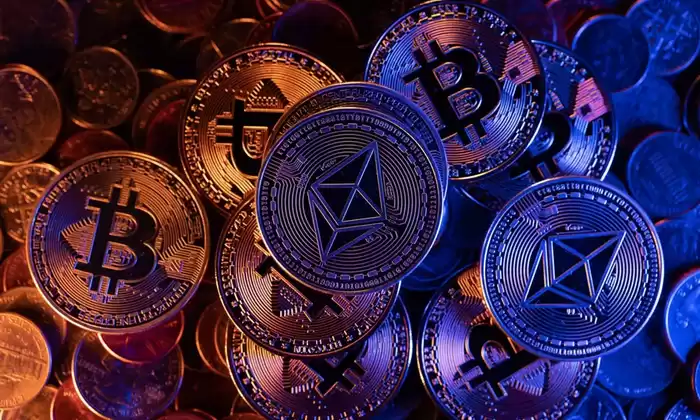
What is Seems legit? Detailed Interpretation of the Term in the Cryptocurrency Space
Understanding "Seems Legit"
In the cryptocurrency community, "Seems legit" is an expression that conveys skepticism mixed with cautious optimism. It typically denotes a project, idea, or person that appears promising on the surface but lacks substantial evidence or track record to confirm its legitimacy.
Factors Contributing to "Seems Legit" Perception
Certain factors can contribute to the perception of "Seems legit":
- Impressive Website and Social Media Presence: A polished website and active social media accounts can create an illusion of credibility and professionalism.
- Influencer Endorsements: When influential figures or celebrities endorse a project, it can lend an air of legitimacy, despite potential conflicts of interest.
- Aggressive Marketing: Extravagant promotions and promises of high returns can persuade some individuals to overlook potential red flags.
- Emotional Appeal: Charismatic leaders or projects that align with personal beliefs can trigger a suspension of critical thinking, making individuals more likely to accept claims at face value.
- Lack of Information: In the rapidly evolving cryptocurrency space, it can be challenging to verify all available information, leading to a desire to trust initial impressions.
Evaluating "Seems Legit" Claims
To avoid falling victim to scams, it is crucial to critically evaluate "Seems legit" claims:
- Thoroughly Research: Conduct independent research on the project, team members, and its claims. Seek unbiased sources and consult reputable experts.
- Examine Background: Investigate the track record of the team and any past ventures they have been involved in. Look for evidence of successful projects or professional experience.
- Check Team's Credentials: Verify the identities and qualifications of the team members. LinkedIn profiles and industry references can provide insights into their backgrounds.
- Cautiously Consider Endorsements: Be skeptical of endorsements from influencers or celebrities who may have financial incentives to promote projects.
- Beware of Promises: Avoid projects that make unrealistic promises of high returns or guaranteed wealth. Cryptocurrency is inherently volatile, and promises of easy wealth often end in disappointment.
Conclusion
In the cryptocurrency space, "Seems legit" can be a deceptive term that masks potential risks. By thoroughly evaluating projects and claims, exercising caution, and relying on verifiable information, investors can minimize the likelihood of falling victim to scams or questionable ventures.
Disclaimer:info@kdj.com
The information provided is not trading advice. kdj.com does not assume any responsibility for any investments made based on the information provided in this article. Cryptocurrencies are highly volatile and it is highly recommended that you invest with caution after thorough research!
If you believe that the content used on this website infringes your copyright, please contact us immediately (info@kdj.com) and we will delete it promptly.





- Sui Network, Toncoin, TRON: Navigating the Evolving Crypto Landscape
- 2026-11-15 00:35:01
- OKX Europe Boosts Fast Redemption Limits for VIP Liquid Staking, Setting Industry Pace
- 2026-11-14 16:35:02
- Bitcoin Retail Demand Plunges Amid Price Decline, Technical Indicators Confirm Bearish Trend
- 2026-11-14 16:35:02
- Pyth Network, Douro Labs, and CFTC Regulation: Shaping the Future of Crypto Market Integrity
- 2026-11-14 17:35:15
- Blockstream Elevates Enterprise Custody with Secure-MPC and Thales HSMs for Unparalleled Security
- 2026-11-14 17:35:15
- XRP Price Prediction: Will $1,000 Make Everyone Rich? Technicals Suggest Key Levels to Watch
- 2026-11-14 07:24:53
Related knowledge
What Is DAI and How Is It Different From USDT?
Sep 08,2026 at 05:00pm
Market Volatility Patterns1. Price swings exceeding 15% within a 24-hour window have occurred in over 68% of Bitcoin’s trading days since 2021. 2. Eth...
USDT, USDC and DAI: How Are These Stablecoins Different?
Sep 20,2026 at 05:59am
Bitcoin Halving Mechanics1. Bitcoin’s protocol enforces a fixed issuance schedule where block rewards are cut in half approximately every 210,000 bloc...
Why Can a Stablecoin Lose Its $1 Peg?
Sep 08,2026 at 02:00am
Reserve Composition and Transparency Gaps1. Many stablecoins claim to be fully backed by cash or short-duration US Treasuries, yet reserve disclosures...
What Is a Crypto Stablecoin Depeg?
Sep 24,2026 at 04:39pm
Definition and Mechanism of Depegging1. A crypto stablecoin depeg occurs when the market price of a stablecoin deviates significantly from its intende...
What Is Self-Custody in Crypto and Why Does It Matter?
Sep 10,2026 at 04:19am
Definition and Core Mechanics1. Self-custody refers to the practice where individuals retain full control over their private keys without delegating t...
Custodial vs Non-Custodial Wallets: What’s the Difference?
Sep 17,2026 at 03:19am
Custodial Wallets Defined1. A custodial wallet is a digital asset storage solution where a third-party service provider holds and manages users’ priva...
What Is DAI and How Is It Different From USDT?
Sep 08,2026 at 05:00pm
Market Volatility Patterns1. Price swings exceeding 15% within a 24-hour window have occurred in over 68% of Bitcoin’s trading days since 2021. 2. Eth...
USDT, USDC and DAI: How Are These Stablecoins Different?
Sep 20,2026 at 05:59am
Bitcoin Halving Mechanics1. Bitcoin’s protocol enforces a fixed issuance schedule where block rewards are cut in half approximately every 210,000 bloc...
Why Can a Stablecoin Lose Its $1 Peg?
Sep 08,2026 at 02:00am
Reserve Composition and Transparency Gaps1. Many stablecoins claim to be fully backed by cash or short-duration US Treasuries, yet reserve disclosures...
What Is a Crypto Stablecoin Depeg?
Sep 24,2026 at 04:39pm
Definition and Mechanism of Depegging1. A crypto stablecoin depeg occurs when the market price of a stablecoin deviates significantly from its intende...
What Is Self-Custody in Crypto and Why Does It Matter?
Sep 10,2026 at 04:19am
Definition and Core Mechanics1. Self-custody refers to the practice where individuals retain full control over their private keys without delegating t...
Custodial vs Non-Custodial Wallets: What’s the Difference?
Sep 17,2026 at 03:19am
Custodial Wallets Defined1. A custodial wallet is a digital asset storage solution where a third-party service provider holds and manages users’ priva...
See all articles


