

















-
 bitcoin
 $77560.422694 USD
1.38% - ethereum
$2487.453153 USD
1.65% - tether
$0.999055 USD
0.00% - bnb
$754.929766 USD
3.97% - xrp
$1.325914 USD
1.70% - usd-coin
$0.999829 USD
-0.01% - solana
$105.756375 USD
5.69% - tron
$0.335859 USD
0.15% - zcash
$1491.934575 USD
9.81% - hyperliquid
$87.784577 USD
10.62% - dogecoin
$0.084281 USD
3.81% - monero
$531.066198 USD
7.27% - chainlink
$11.802944 USD
5.34% - unus-sed-leo
$8.892769 USD
-0.44% - cardano
$0.213660 USD
7.72%











How to judge whether a coin is really going to "go to the moon" instead of being a hype?
A coin's value is influenced by its technology, use case, marketing, adoption, and regulatory compliance.
Nov 11, 2024 at 03:06 pm
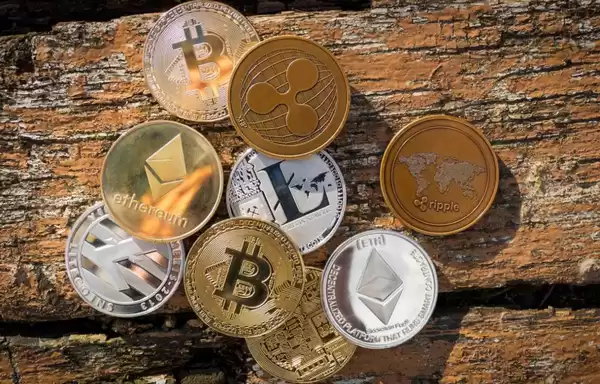
How to Judge Whether a Coin Is Really Going to "Go to the Moon" Instead of Being a Hype
In the world of cryptocurrency, it's easy to get caught up in the hype and invest in coins that promise to make you rich quick. But before you put your hard-earned money into any coin, it's important to do your research and make sure that it has the potential to actually "go to the moon."
Here are 10 factors to consider when evaluating a coin:
1. Team
The team behind a coin is one of the most important factors to consider. A strong team with a proven track record is more likely to develop a successful project.
- Look for a team with experience in the blockchain industry.
- Make sure the team is passionate about the project and has a clear vision for its future.
- Check to see if the team is active on social media and engaged with the community.
2. Technology
The technology behind a coin is another important factor to consider. A well-designed coin with a strong technical foundation is more likely to be successful in the long run.
- Make sure the coin is built on a solid blockchain platform.
- Look for a coin with a unique and innovative technology.
- Check to see if the coin has a strong community of developers.
3. Use Case
A coin's use case is another important factor to consider. A coin with a clear and compelling use case is more likely to be adopted by users and businesses.
- Make sure the coin has a real-world use case.
- Look for a coin that solves a real problem or meets a real need.
- Check to see if the coin has a strong community of users.
4. Marketing and Adoption
A coin's marketing and adoption are also important factors to consider. A well-marketed coin with a strong community of users is more likely to be successful.
- Make sure the coin has a strong marketing team.
- Look for a coin that is being adopted by users and businesses.
- Check to see if the coin has a strong social media presence.
5. Tokenomics
A coin's tokenomics is another important factor to consider. The tokenomics of a coin determine how the coin is distributed and used.
- Make sure the coin has a fair and equitable distribution.
- Look for a coin with a tokenomics that incentivizes long-term holders.
- Check to see if the coin has a clear plan for future development.
6. Community
A coin's community is another important factor to consider. A strong and engaged community can help to support and promote the coin.
- Make sure the coin has a strong and active community.
- Look for a coin with a community that is passionate about the project.
- Check to see if the coin has a strong presence on social media.
7. Market Conditions
The market conditions also play a role in a coin's success. A coin is more likely to be successful in a bull market than in a bear market.
- Make sure to consider the overall market conditions when evaluating a coin.
- Look for a coin that has the potential to perform well in both bull and bear markets.
- Check to see if the coin has a strong track record during previous market downturns.
8. Regulation
The regulatory landscape is another important factor to consider. A coin that is compliant with regulations is more likely to be successful in the long run.
- Make sure the coin is compliant with all applicable regulations.
- Look for a coin that is working with regulators to ensure compliance.
- Check to see if the coin has a clear plan for dealing with future regulations.
9. Risk Tolerance
Your own risk tolerance is another important factor to consider. If you are not comfortable with high levels of risk, you should avoid investing in coins that have a high risk of failure.
- Make sure to understand your own risk tolerance before investing in any coin.
- Consider your own financial situation and investment goals.
- Diversify your portfolio to reduce your risk.
10. Due Diligence
Before investing in any coin, it is important to do your due diligence and research the coin thoroughly. This includes reading the whitepaper, understanding the technology, and evaluating the team behind the project.
- Make sure to do your own research before investing in any coin.
- Don't just rely on what others are saying.
- Seek out multiple sources of information to get a well-rounded view of the coin.
Disclaimer:info@kdj.com
The information provided is not trading advice. kdj.com does not assume any responsibility for any investments made based on the information provided in this article. Cryptocurrencies are highly volatile and it is highly recommended that you invest with caution after thorough research!
If you believe that the content used on this website infringes your copyright, please contact us immediately (info@kdj.com) and we will delete it promptly.






- Binance New Listing, SWIFT 17 Banks, and Pepeto 100x Entry: The Next Wave in Crypto Finance
- 2026-09-19 09:00:02
- Lagarde, Binance, and the Greek Gambit: A High-Stakes EU Regulatory Standoff
- 2026-09-19 08:55:01
- MemeToro Crypto Presale Review: Public Code Aims for Trust, But Execution is Key for $MT Token
- 2026-09-19 08:35:01
- AVAX Price Surges as Avalanche Chain Embraces Tokenized Funds and Institutional Growth
- 2026-09-18 16:50:01
- Bank of Japan's Rate Hike: Yen, Bitcoin, and the Unwinding of Carry Trades
- 2026-09-18 12:50:01
- XRP Ledger Embraces Native Lending and Transaction Bundling with Major Updates
- 2026-09-18 12:30:01
Related knowledge

What Is DAI and How Is It Different From USDT?
Sep 08,2026 at 05:00pm
Market Volatility Patterns1. Price swings exceeding 15% within a 24-hour window have occurred in over 68% of Bitcoin’s trading days since 2021. 2. Eth...

Why Can a Stablecoin Lose Its $1 Peg?
Sep 08,2026 at 02:00am
Reserve Composition and Transparency Gaps1. Many stablecoins claim to be fully backed by cash or short-duration US Treasuries, yet reserve disclosures...

What Is Self-Custody in Crypto and Why Does It Matter?
Sep 10,2026 at 04:19am
Definition and Core Mechanics1. Self-custody refers to the practice where individuals retain full control over their private keys without delegating t...

Custodial vs Non-Custodial Wallets: What’s the Difference?
Sep 17,2026 at 03:19am
Custodial Wallets Defined1. A custodial wallet is a digital asset storage solution where a third-party service provider holds and manages users’ priva...

What Is a Multisig Wallet and When Is It Useful?
Sep 12,2026 at 02:20pm
Definition and Core Architecture1. A multisig wallet is a cryptographic construct that requires multiple private keys to authorize a single blockchain...

Bitcoin vs Lightning Network: What’s the Difference?
Sep 13,2026 at 03:40pm
Core Architecture and Transaction Model1. Bitcoin operates on a single-layer, permissionless blockchain where every transaction is cryptographically v...
What Is DAI and How Is It Different From USDT?
Sep 08,2026 at 05:00pm
Market Volatility Patterns1. Price swings exceeding 15% within a 24-hour window have occurred in over 68% of Bitcoin’s trading days since 2021. 2. Eth...
Why Can a Stablecoin Lose Its $1 Peg?
Sep 08,2026 at 02:00am
Reserve Composition and Transparency Gaps1. Many stablecoins claim to be fully backed by cash or short-duration US Treasuries, yet reserve disclosures...
What Is Self-Custody in Crypto and Why Does It Matter?
Sep 10,2026 at 04:19am
Definition and Core Mechanics1. Self-custody refers to the practice where individuals retain full control over their private keys without delegating t...
Custodial vs Non-Custodial Wallets: What’s the Difference?
Sep 17,2026 at 03:19am
Custodial Wallets Defined1. A custodial wallet is a digital asset storage solution where a third-party service provider holds and manages users’ priva...
What Is a Multisig Wallet and When Is It Useful?
Sep 12,2026 at 02:20pm
Definition and Core Architecture1. A multisig wallet is a cryptographic construct that requires multiple private keys to authorize a single blockchain...
Bitcoin vs Lightning Network: What’s the Difference?
Sep 13,2026 at 03:40pm
Core Architecture and Transaction Model1. Bitcoin operates on a single-layer, permissionless blockchain where every transaction is cryptographically v...
See all articles


