










![[Sep 22 2026] BTC & ALT Price AI Prediction / BTC 8-Month High as $750M Shorts Liquidated (ENG SUB)](/uploads/2026/09/22/cryptocurrencies-news/videos/origin_6ab2232a324dc_image_500_375.webp "[Sep 22 2026] BTC & ALT Price AI Prediction / BTC 8-Month High as $750M Shorts Liquidated (ENG SUB)")






-
 bitcoin
 $85436.612498 USD
4.85% - ethereum
$2731.804718 USD
2.84% - tether
$0.999829 USD
0.01% - bnb
$786.927205 USD
2.00% - xrp
$1.522258 USD
6.12% - usd-coin
$1.000041 USD
0.01% - solana
$116.695858 USD
4.24% - tron
$0.348438 USD
1.63% - zcash
$1497.916524 USD
0.12% - hyperliquid
$94.476078 USD
0.68% - dogecoin
$0.099785 USD
12.16% - monero
$576.959659 USD
-6.77% - chainlink
$12.919852 USD
3.03% - cardano
$0.245466 USD
5.73% - unus-sed-leo
$8.971529 USD
0.51%











What does IRL mean in the cryptocurrency circle
IRL, an acronym meaning "in real life," differentiates between online and offline interactions in the cryptocurrency sphere, covering social events, fiat transactions, crypto payments, tangible merchandise, NFTs, security measures, and educational initiatives.
Nov 01, 2024 at 02:05 am
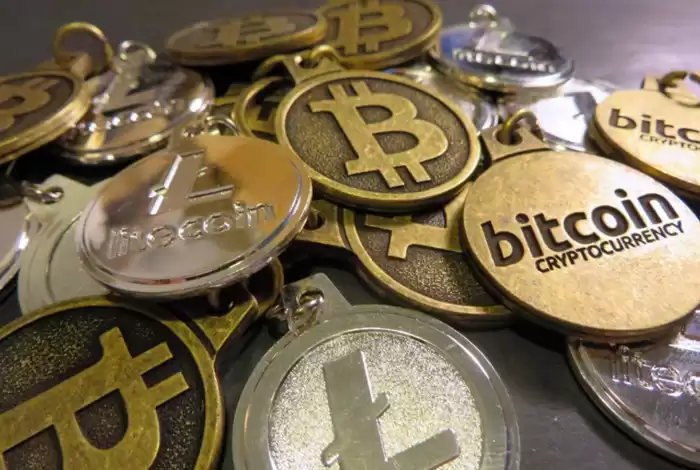
IRL stands for "in real life" and is used in the cryptocurrency space to distinguish between interactions or activities that take place outside of the digital realm, as opposed to those that occur online. Here's a breakdown of how IRL is commonly used within the cryptocurrency community:
1. Social Gatherings and Events:IRL events bring together cryptocurrency enthusiasts, developers, investors, and other participants in the physical world. These gatherings can include conferences, meetups, hackathons, and social activities aimed at fostering connections and facilitating knowledge sharing.
2. Fiat-to-Crypto Transactions:IRL fiat-to-crypto transactions involve exchanging physical cash for digital assets. This can happen at cryptocurrency exchanges or through person-to-person interactions, such as buying Bitcoin from a friend or selling Ether for cash.
3. Crypto Payments:Businesses that accept cryptocurrencies for goods or services IRL allow customers to make purchases using their digital assets. This form of transaction helps bridge the gap between the crypto economy and the physical world.
4. Hardware and Merch:IRL merchandise includes cryptocurrency-themed t-shirts, hoodies, mugs, hardware wallets, and other tangible items. These items often represent brands, projects, or specific coins in the space.
5. Non-Fungible Tokens (NFTs):NFTs can exist in both the digital and physical realms. IRL NFTs may represent ownership of physical assets, such as artwork, property, or collectibles, and connect them to their blockchain counterparts.
6. Security and Fraud Prevention:IRL verification processes can be used to enhance security and prevent fraud in the cryptocurrency space. For example, exchanges may require users to provide physical documents or undergo in-person verification to ensure their identity.
7. Education and Outreach:IRL educational events and workshops aim to educate the public about cryptocurrencies and blockchain technology. These initiatives help demystify complex concepts and promote wider adoption.
Understanding the meaning and use of IRL in the cryptocurrency circle is crucial for effectively navigating interactions and activities within the industry. By embracing its multifaceted applications, users can strengthen connections, foster knowledge exchange, and contribute to the growing adoption of digital assets in the real world.
Disclaimer:info@kdj.com
The information provided is not trading advice. kdj.com does not assume any responsibility for any investments made based on the information provided in this article. Cryptocurrencies are highly volatile and it is highly recommended that you invest with caution after thorough research!
If you believe that the content used on this website infringes your copyright, please contact us immediately (info@kdj.com) and we will delete it promptly.






- Near.com and Ondo Finance Forge a New Frontier for Tokenized Stocks, ETFs, and Commodities
- 2026-09-23 05:05:01
- NEAR Protocol Solutions Tackle Lost Keys and Enhance Usability with Readable Accounts
- 2026-09-23 05:05:01
- Zcash Takes Center Stage: European ETP Launch Follows US ETF Approval, Igniting 'Bitcoin Alternative' Debate
- 2026-09-23 05:10:01
- 21Shares Expands Product Suite with New Zcash ETP, Enhancing European Investor Access
- 2026-09-23 04:50:01
- Aave Borrowing Limit, Bitcoin-Backed Loans: Strike's 'Volatility-Proof' Solution Amidst Tightening Aave Proposals
- 2026-09-23 05:10:01
- CME Group Expands Crypto Offerings with Bitcoin Cash and Uniswap Futures Amidst Growing Institutional Interest
- 2026-09-23 05:15:01
Related knowledge

What Is DAI and How Is It Different From USDT?
Sep 08,2026 at 05:00pm
Market Volatility Patterns1. Price swings exceeding 15% within a 24-hour window have occurred in over 68% of Bitcoin’s trading days since 2021. 2. Eth...

USDT, USDC and DAI: How Are These Stablecoins Different?
Sep 20,2026 at 05:59am
Bitcoin Halving Mechanics1. Bitcoin’s protocol enforces a fixed issuance schedule where block rewards are cut in half approximately every 210,000 bloc...

Why Can a Stablecoin Lose Its $1 Peg?
Sep 08,2026 at 02:00am
Reserve Composition and Transparency Gaps1. Many stablecoins claim to be fully backed by cash or short-duration US Treasuries, yet reserve disclosures...

What Is Self-Custody in Crypto and Why Does It Matter?
Sep 10,2026 at 04:19am
Definition and Core Mechanics1. Self-custody refers to the practice where individuals retain full control over their private keys without delegating t...

Custodial vs Non-Custodial Wallets: What’s the Difference?
Sep 17,2026 at 03:19am
Custodial Wallets Defined1. A custodial wallet is a digital asset storage solution where a third-party service provider holds and manages users’ priva...

What Is a Multisig Wallet and When Is It Useful?
Sep 12,2026 at 02:20pm
Definition and Core Architecture1. A multisig wallet is a cryptographic construct that requires multiple private keys to authorize a single blockchain...
What Is DAI and How Is It Different From USDT?
Sep 08,2026 at 05:00pm
Market Volatility Patterns1. Price swings exceeding 15% within a 24-hour window have occurred in over 68% of Bitcoin’s trading days since 2021. 2. Eth...
USDT, USDC and DAI: How Are These Stablecoins Different?
Sep 20,2026 at 05:59am
Bitcoin Halving Mechanics1. Bitcoin’s protocol enforces a fixed issuance schedule where block rewards are cut in half approximately every 210,000 bloc...
Why Can a Stablecoin Lose Its $1 Peg?
Sep 08,2026 at 02:00am
Reserve Composition and Transparency Gaps1. Many stablecoins claim to be fully backed by cash or short-duration US Treasuries, yet reserve disclosures...
What Is Self-Custody in Crypto and Why Does It Matter?
Sep 10,2026 at 04:19am
Definition and Core Mechanics1. Self-custody refers to the practice where individuals retain full control over their private keys without delegating t...
Custodial vs Non-Custodial Wallets: What’s the Difference?
Sep 17,2026 at 03:19am
Custodial Wallets Defined1. A custodial wallet is a digital asset storage solution where a third-party service provider holds and manages users’ priva...
What Is a Multisig Wallet and When Is It Useful?
Sep 12,2026 at 02:20pm
Definition and Core Architecture1. A multisig wallet is a cryptographic construct that requires multiple private keys to authorize a single blockchain...
See all articles


