














-
 bitcoin
 $86353.520310 USD
1.06% - ethereum
$2748.504094 USD
0.61% - tether
$0.999805 USD
0.00% - bnb
$789.713139 USD
0.35% - xrp
$1.621177 USD
6.50% - usd-coin
$0.999968 USD
-0.01% - solana
$118.732892 USD
1.75% - tron
$0.343839 USD
-1.32% - zcash
$1622.688363 USD
8.33% - hyperliquid
$97.151941 USD
2.83% - dogecoin
$0.101886 USD
2.10% - monero
$571.352536 USD
-0.93% - chainlink
$13.016236 USD
0.75% - cardano
$0.257732 USD
5.00% - unus-sed-leo
$8.985389 USD
0.15%











What is FOMO? A comprehensive introduction to FOMO in the cryptocurrency world
FOMO (Fear of Missing Out), a psychological phenomenon, can prompt impulsive cryptocurrency investments fueled by anxiety over missed opportunities and the desire for quick gains.
Oct 21, 2024 at 11:54 pm
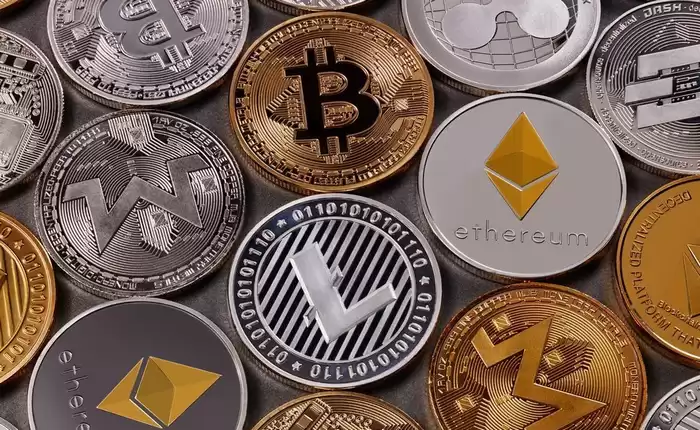
FOMO (Fear of Missing Out) is a psychological phenomenon characterized by an intense anxiety and apprehension about missing out on a potentially lucrative or rewarding opportunity. In the context of cryptocurrency trading, FOMO can lead individuals to make impulsive and emotionally driven decisions, often fueled by a desire to capitalize on perceived gains.
2. Manifestations of FOMO in Cryptocurrency TradingFOMO in cryptocurrency trading manifests in various ways:
- Rapid price increases: When the value of a cryptocurrency experiences a sharp upward trend, FOMO can drive investors to purchase the asset in anticipation of further gains.
- Influencer hype: Social media influencers or prominent figures promoting certain cryptocurrencies can induce FOMO by creating the impression of a missed-out opportunity.
- Social media bandwagons: The fear of missing out can spread through social media as investors observe others profiting from cryptocurrency investments.
While FOMO can lead to short-term gains, it can also pose significant risks for investors:
- Poor investment decisions: FOMO can impair judgment and lead to rushed decisions based on emotions rather than sound analysis.
- Market manipulation: Dishonest actors may exploit FOMO to artificially inflate cryptocurrency prices, potentially leaving unwitting investors holding devalued assets.
- Busts and crashes: When FOMO-driven price increases are unsustainable, the market can experience sharp declines, resulting in significant losses for investors.
To mitigate the risks associated with FOMO, investors should adopt the following strategies:
- Conduct thorough research: Before investing in any cryptocurrency, conduct a comprehensive assessment of its underlying technology, team, and market dynamics.
- Establish a trading plan: Define clear investment criteria and stick to them rather than letting FOMO sway your decisions.
- Manage risk: Set stop-loss orders to limit potential losses and avoid investing more than you can afford to lose.
- Control emotions: Remind yourself that FOMO is a psychological reaction that can lead to irrational behavior. Stay calm and make decisions based on logical analysis.
FOMO is a pervasive psychological phenomenon that can have a significant impact on cryptocurrency trading. While it can occasionally lead to short-term gains, FOMO-driven decisions often result in poor investment outcomes. By understanding the risks and implementing mitigating strategies, investors can make more informed decisions and reduce the likelihood of succumbing to FOMO.
Disclaimer:info@kdj.com
The information provided is not trading advice. kdj.com does not assume any responsibility for any investments made based on the information provided in this article. Cryptocurrencies are highly volatile and it is highly recommended that you invest with caution after thorough research!
If you believe that the content used on this website infringes your copyright, please contact us immediately (info@kdj.com) and we will delete it promptly.






- BlackRock Spotlights AI's Undervalued Role in Driving Crypto Demand and Tokenized Compute Markets
- 2026-09-23 16:45:01
- Altcoins Set to Soar as Bitcoin Eyes $150K: What New Yorkers Need to Know About Price Predictions
- 2026-09-23 16:35:01
- Near.com and Ondo Finance Forge a New Frontier for Tokenized Stocks, ETFs, and Commodities
- 2026-09-23 05:05:01
- NEAR Protocol Solutions Tackle Lost Keys and Enhance Usability with Readable Accounts
- 2026-09-23 05:05:01
- Zcash Takes Center Stage: European ETP Launch Follows US ETF Approval, Igniting 'Bitcoin Alternative' Debate
- 2026-09-23 05:10:01
- 21Shares Expands Product Suite with New Zcash ETP, Enhancing European Investor Access
- 2026-09-23 04:50:01
Related knowledge

What Is DAI and How Is It Different From USDT?
Sep 08,2026 at 05:00pm
Market Volatility Patterns1. Price swings exceeding 15% within a 24-hour window have occurred in over 68% of Bitcoin’s trading days since 2021. 2. Eth...

USDT, USDC and DAI: How Are These Stablecoins Different?
Sep 20,2026 at 05:59am
Bitcoin Halving Mechanics1. Bitcoin’s protocol enforces a fixed issuance schedule where block rewards are cut in half approximately every 210,000 bloc...

Why Can a Stablecoin Lose Its $1 Peg?
Sep 08,2026 at 02:00am
Reserve Composition and Transparency Gaps1. Many stablecoins claim to be fully backed by cash or short-duration US Treasuries, yet reserve disclosures...

What Is Self-Custody in Crypto and Why Does It Matter?
Sep 10,2026 at 04:19am
Definition and Core Mechanics1. Self-custody refers to the practice where individuals retain full control over their private keys without delegating t...

Custodial vs Non-Custodial Wallets: What’s the Difference?
Sep 17,2026 at 03:19am
Custodial Wallets Defined1. A custodial wallet is a digital asset storage solution where a third-party service provider holds and manages users’ priva...

What Is a Multisig Wallet and When Is It Useful?
Sep 12,2026 at 02:20pm
Definition and Core Architecture1. A multisig wallet is a cryptographic construct that requires multiple private keys to authorize a single blockchain...
What Is DAI and How Is It Different From USDT?
Sep 08,2026 at 05:00pm
Market Volatility Patterns1. Price swings exceeding 15% within a 24-hour window have occurred in over 68% of Bitcoin’s trading days since 2021. 2. Eth...
USDT, USDC and DAI: How Are These Stablecoins Different?
Sep 20,2026 at 05:59am
Bitcoin Halving Mechanics1. Bitcoin’s protocol enforces a fixed issuance schedule where block rewards are cut in half approximately every 210,000 bloc...
Why Can a Stablecoin Lose Its $1 Peg?
Sep 08,2026 at 02:00am
Reserve Composition and Transparency Gaps1. Many stablecoins claim to be fully backed by cash or short-duration US Treasuries, yet reserve disclosures...
What Is Self-Custody in Crypto and Why Does It Matter?
Sep 10,2026 at 04:19am
Definition and Core Mechanics1. Self-custody refers to the practice where individuals retain full control over their private keys without delegating t...
Custodial vs Non-Custodial Wallets: What’s the Difference?
Sep 17,2026 at 03:19am
Custodial Wallets Defined1. A custodial wallet is a digital asset storage solution where a third-party service provider holds and manages users’ priva...
What Is a Multisig Wallet and When Is It Useful?
Sep 12,2026 at 02:20pm
Definition and Core Architecture1. A multisig wallet is a cryptographic construct that requires multiple private keys to authorize a single blockchain...
See all articles


