






















-
 bitcoin
 $81483.540274 USD
1.45% - ethereum
$2656.445935 USD
3.16% - tether
$0.999729 USD
0.01% - bnb
$771.482703 USD
2.73% - xrp
$1.434506 USD
3.76% - usd-coin
$0.999848 USD
-0.01% - solana
$111.949960 USD
2.99% - tron
$0.342844 USD
0.77% - zcash
$1496.192048 USD
3.04% - hyperliquid
$93.842057 USD
2.86% - dogecoin
$0.088966 USD
4.37% - monero
$618.824864 USD
18.41% - chainlink
$12.540039 USD
4.61% - cardano
$0.232168 USD
5.42% - unus-sed-leo
$8.922830 USD
0.41%











What Is a Fiat-to-Crypto On-Ramp?
Fiat-to-crypto on-ramps offer a convenient and accessible gateway for individuals to enter the cryptocurrency market by converting their fiat currency into digital assets.
Nov 05, 2024 at 06:15 pm
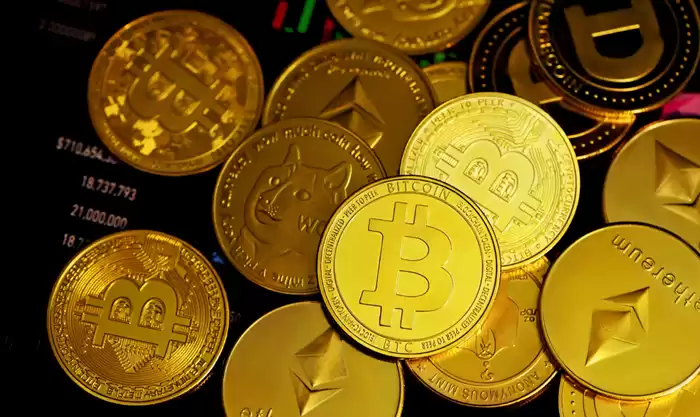
A fiat-to-crypto on-ramp is a gateway that allows users to convert fiat currency (such as USD, EUR, or GBP) into cryptocurrencies like Bitcoin, Ethereum, or Litecoin. It provides a convenient and accessible way for individuals to enter the cryptocurrency market.
2. How It WorksFiat-to-crypto on-ramps typically follow a four-step process:
- Sign Up: Users create an account with the on-ramp provider.
- Verification: Users provide identification documents and proof of address to verify their identity and comply with anti-money laundering (AML) and know-your-customer (KYC) regulations.
- Deposit Fiat Currency: Users transfer funds from their bank account, credit card, or other fiat payment method to the on-ramp.
- Purchase Crypto: Users specify the amount and type of cryptocurrency they wish to purchase, using the deposited fiat funds.
There are several types of fiat-to-crypto on-ramps available:
- Centralized Exchanges: Major cryptocurrency exchanges like Coinbase and Binance offer on-ramp services.
- Decentralized Exchanges (DEXs): DEXs like Uniswap and PancakeSwap allow users to convert fiat to crypto without intermediaries.
- Broker-Dealers: Companies like Robinhood and eToro provide fiat-to-crypto on-ramps with user-friendly interfaces.
- OTC Trading: Over-the-counter (OTC) trading involves private transactions between buyers and sellers of large amounts of cryptocurrency.
- Ease of Use: On-ramps simplify the process of buying crypto for individuals with limited knowledge of the cryptocurrency market.
- Convenience: Users can convert fiat to crypto quickly and easily without leaving their home.
- Security: Reputable on-ramps implement robust security measures to protect user funds and personal data.
- Fees: On-ramps charge transaction fees, which can vary depending on the provider and payment method used.
- Limits: On-ramps may have limits on the amount of fiat currency that users can convert to crypto.
- Speed: Transaction times for fiat-to-crypto conversions can vary depending on the on-ramp and payment method selected.
Disclaimer:info@kdj.com
The information provided is not trading advice. kdj.com does not assume any responsibility for any investments made based on the information provided in this article. Cryptocurrencies are highly volatile and it is highly recommended that you invest with caution after thorough research!
If you believe that the content used on this website infringes your copyright, please contact us immediately (info@kdj.com) and we will delete it promptly.





- House Committee Advances 20-Year Bitcoin Reserve Bill: A Glimpse into America's Digital Asset Future
- 2026-09-21 12:45:01
- U.S. Treasury Slams Iranian Exchange BitBank with Sanctions Over Alleged IRGC Bitcoin Transfers
- 2026-09-21 04:45:01
- Crypto Crossroads: Best Crypto to Buy Amidst SEC Regulation & the Rise of Pepeto
- 2026-09-21 04:50:01
- Bitcoin Price: The Spectacular Rebound and Its Crossroads
- 2026-09-21 04:45:01
- One Attacker, Multiple Tokens: Inside the Fetch.ai Breach - A New York Minute
- 2026-09-20 20:50:02
- MultiversX Halts Mainnet: Unraveling the 'Invalid State' Incident
- 2026-09-20 20:45:01
Related knowledge

What Is DAI and How Is It Different From USDT?
Sep 08,2026 at 05:00pm
Market Volatility Patterns1. Price swings exceeding 15% within a 24-hour window have occurred in over 68% of Bitcoin’s trading days since 2021. 2. Eth...
USDT, USDC and DAI: How Are These Stablecoins Different?
Sep 20,2026 at 05:59am
Bitcoin Halving Mechanics1. Bitcoin’s protocol enforces a fixed issuance schedule where block rewards are cut in half approximately every 210,000 bloc...

Why Can a Stablecoin Lose Its $1 Peg?
Sep 08,2026 at 02:00am
Reserve Composition and Transparency Gaps1. Many stablecoins claim to be fully backed by cash or short-duration US Treasuries, yet reserve disclosures...

What Is Self-Custody in Crypto and Why Does It Matter?
Sep 10,2026 at 04:19am
Definition and Core Mechanics1. Self-custody refers to the practice where individuals retain full control over their private keys without delegating t...

Custodial vs Non-Custodial Wallets: What’s the Difference?
Sep 17,2026 at 03:19am
Custodial Wallets Defined1. A custodial wallet is a digital asset storage solution where a third-party service provider holds and manages users’ priva...

What Is a Multisig Wallet and When Is It Useful?
Sep 12,2026 at 02:20pm
Definition and Core Architecture1. A multisig wallet is a cryptographic construct that requires multiple private keys to authorize a single blockchain...
What Is DAI and How Is It Different From USDT?
Sep 08,2026 at 05:00pm
Market Volatility Patterns1. Price swings exceeding 15% within a 24-hour window have occurred in over 68% of Bitcoin’s trading days since 2021. 2. Eth...
USDT, USDC and DAI: How Are These Stablecoins Different?
Sep 20,2026 at 05:59am
Bitcoin Halving Mechanics1. Bitcoin’s protocol enforces a fixed issuance schedule where block rewards are cut in half approximately every 210,000 bloc...
Why Can a Stablecoin Lose Its $1 Peg?
Sep 08,2026 at 02:00am
Reserve Composition and Transparency Gaps1. Many stablecoins claim to be fully backed by cash or short-duration US Treasuries, yet reserve disclosures...
What Is Self-Custody in Crypto and Why Does It Matter?
Sep 10,2026 at 04:19am
Definition and Core Mechanics1. Self-custody refers to the practice where individuals retain full control over their private keys without delegating t...
Custodial vs Non-Custodial Wallets: What’s the Difference?
Sep 17,2026 at 03:19am
Custodial Wallets Defined1. A custodial wallet is a digital asset storage solution where a third-party service provider holds and manages users’ priva...
What Is a Multisig Wallet and When Is It Useful?
Sep 12,2026 at 02:20pm
Definition and Core Architecture1. A multisig wallet is a cryptographic construct that requires multiple private keys to authorize a single blockchain...
See all articles


