





















-
 bitcoin
 $87959.907984 USD
1.34% - ethereum
$2920.497338 USD
3.04% - tether
$0.999775 USD
0.00% - xrp
$2.237324 USD
8.12% - bnb
$860.243768 USD
0.90% - solana
$138.089498 USD
5.43% - usd-coin
$0.999807 USD
0.01% - tron
$0.272801 USD
-1.53% - dogecoin
$0.150904 USD
2.96% - cardano
$0.421635 USD
1.97% - hyperliquid
$32.152445 USD
2.23% - bitcoin-cash
$533.301069 USD
-1.94% - chainlink
$12.953417 USD
2.68% - unus-sed-leo
$9.535951 USD
0.73% - zcash
$521.483386 USD
-2.87%











What Is an Ethereum Virtual Machine (EVM)?
The Ethereum Virtual Machine (EVM) provides a secure and decentralized platform for executing smart contracts and decentralized applications (dApps).
Nov 04, 2024 at 03:15 am
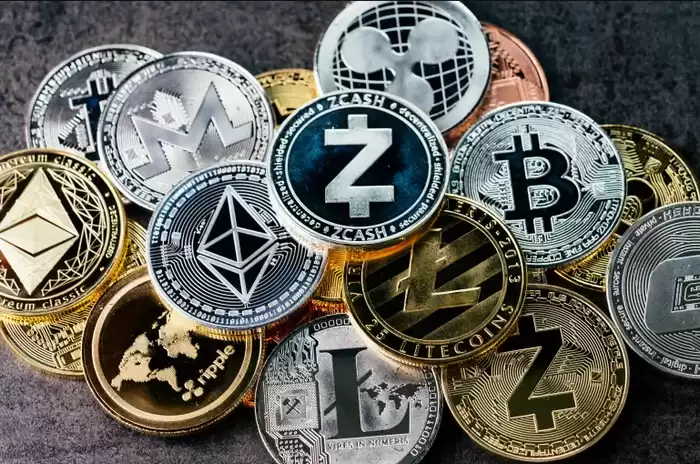
What is Ethereum Virtual Machine (EVM)?
The Ethereum Virtual Machine (EVM) is a software platform that serves as the foundation of the Ethereum blockchain network. It operates as a decentralized computer that facilitates the execution of smart contracts and decentralized applications, known as dApps. The EVM is central to the Ethereum ecosystem, providing a reliable and secure environment for running these software programs.
Understanding the EVM
- Runtime Environment: The EVM operates as a runtime environment, providing the necessary infrastructure to run smart contracts written in Solidity, JavaScript, or other compatible languages. It incorporates a set of predefined instructions or opcodes that specify the actions that the EVM can perform.
- Transaction Processing: When a transaction is initiated on the Ethereum network, involving transferring ETH or executing a smart contract, it is first submitted to the network of nodes. The EVM on each node then validates and executes the transaction, ensuring its authenticity and compliance with Ethereum's rules and regulations.
- State Management: The EVM maintains a global state that records all the actions performed on the Ethereum network. This state includes the account balances of all users, the code and data of smart contracts, and other relevant information. Each block in the Ethereum blockchain captures and reflects the state changes resulting from transactions processed within that block.
- Gas Mechanism: The EVM operates under the concept of 'gas', which is the computational energy required to process transactions and execute smart contracts. Users pay a gas fee, denominated in ETH, proportional to the resources consumed during the operation. This fee serves as an incentive for network participants to contribute their computational power to the blockchain's functioning.
Significance of the EVM
- Decentralization and Security: The EVM's decentralized nature and immutability contribute to the security and transparency of the Ethereum network. It prevents any single entity from exercising control over the platform and ensures that the execution of smart contracts is fair and reliable.
- Smart Contracts and dApps: The EVM enables the creation and execution of smart contracts, self-executing programs that operate on the blockchain. Through these smart contracts, developers can build dApps for various applications, including decentralized finance, gaming, supply chain management, and more.
- Cross-Platform Compatibility: The EVM's functionality is not limited to Ethereum alone. Other blockchains, such as Avalanche and Polygon, have adopted the EVM or compatible virtual machines, allowing cross-platform compatibility for smart contracts and dApps.
Conclusion
The Ethereum Virtual Machine (EVM) is the core infrastructure of the Ethereum blockchain, facilitating the execution of smart contracts and decentralized applications. Its decentralized nature, security features, and support for various programming languages have made it a fundamental platform for innovation and advancements in the blockchain industry. Understanding the EVM's capabilities and limitations is essential for developers seeking to harness the potential of blockchain technology.
Disclaimer:info@kdj.com
The information provided is not trading advice. kdj.com does not assume any responsibility for any investments made based on the information provided in this article. Cryptocurrencies are highly volatile and it is highly recommended that you invest with caution after thorough research!
If you believe that the content used on this website infringes your copyright, please contact us immediately (info@kdj.com) and we will delete it promptly.





- Bitcoin, eCash Fork, and Airdrop Dynamics: A Deep Dive into Crypto's Latest Controversies
- 2026-05-03 12:55:01
- Consensus 2026 Miami: Web3, Blockchain, Cryptocurrency, NFTs, Metaverse, Conference, May 5th — Where Wall Street Meets the Digital Frontier
- 2026-05-02 12:45:01
- Fed Holds Rates Steady, Triggering Bitcoin Price Drop Amidst Geopolitical Tensions
- 2026-05-01 06:45:01
- Bitcoin Miners Electrify the Grid: Ohio Gas Plant Acquisition Powers Up a New Era for Digital Gold
- 2026-05-01 00:45:01
- MegaETH's MEGA Token Hits the Big Apple: Setting New Performance Benchmarks for Real-Time Blockchain
- 2026-05-01 00:55:01
- Solana's Slippery Slope: Price Prediction Points to Resistance Loss and Potential Further Drops
- 2026-05-01 06:45:01
Related knowledge
What Is Blockchain Security? How Can Users Avoid Crypto Scams?
Jul 26,2026 at 04:40am
Understanding Blockchain Security Fundamentals1. Blockchain security relies on cryptographic hashing to ensure data integrity across every block in th...
What Is Token Burn? Why Do Projects Destroy Tokens?
Jul 22,2026 at 10:39am
Definition and Technical Execution1. Token burn refers to the irreversible removal of digital tokens from circulation by sending them to an inaccessib...
What Is Circulating Supply? Why Does Token Supply Matter?
Jul 21,2026 at 01:40pm
What Is Circulating Supply?1. Circulating supply refers to the number of tokens that are currently available for trading and use in the open market. 2...
What Is Market Cap in Crypto? How Is It Calculated?
Jul 24,2026 at 09:40pm
Market Volatility Patterns1. Bitcoin’s price swings often correlate with macroeconomic indicators such as U.S. inflation reports and Federal Reserve i...
What Is a Decentralized Exchange (DEX)? Is It Safer Than CEX?
Jul 21,2026 at 02:00pm
Core Architecture of DEX1. A decentralized exchange operates entirely on blockchain infrastructure without relying on centralized servers or custodial...
What Is Self-Custody Crypto? Why Do People Say “Not Your Keys, Not Your Coins”?
Jul 26,2026 at 08:19am
Core Principle of Self-Custody1. Self-custody means the user holds and manages their own private keys without delegating control to any third party. 2...
What Is Blockchain Security? How Can Users Avoid Crypto Scams?
Jul 26,2026 at 04:40am
Understanding Blockchain Security Fundamentals1. Blockchain security relies on cryptographic hashing to ensure data integrity across every block in th...
What Is Token Burn? Why Do Projects Destroy Tokens?
Jul 22,2026 at 10:39am
Definition and Technical Execution1. Token burn refers to the irreversible removal of digital tokens from circulation by sending them to an inaccessib...
What Is Circulating Supply? Why Does Token Supply Matter?
Jul 21,2026 at 01:40pm
What Is Circulating Supply?1. Circulating supply refers to the number of tokens that are currently available for trading and use in the open market. 2...
What Is Market Cap in Crypto? How Is It Calculated?
Jul 24,2026 at 09:40pm
Market Volatility Patterns1. Bitcoin’s price swings often correlate with macroeconomic indicators such as U.S. inflation reports and Federal Reserve i...
What Is a Decentralized Exchange (DEX)? Is It Safer Than CEX?
Jul 21,2026 at 02:00pm
Core Architecture of DEX1. A decentralized exchange operates entirely on blockchain infrastructure without relying on centralized servers or custodial...
What Is Self-Custody Crypto? Why Do People Say “Not Your Keys, Not Your Coins”?
Jul 26,2026 at 08:19am
Core Principle of Self-Custody1. Self-custody means the user holds and manages their own private keys without delegating control to any third party. 2...
See all articles


