










![[Sep 22 2026] BTC & ALT Price AI Prediction / BTC 8-Month High as $750M Shorts Liquidated (ENG SUB)](/uploads/2026/09/22/cryptocurrencies-news/videos/origin_6ab2232a324dc_image_500_375.webp "[Sep 22 2026] BTC & ALT Price AI Prediction / BTC 8-Month High as $750M Shorts Liquidated (ENG SUB)")






-
 bitcoin
 $85436.612498 USD
4.85% - ethereum
$2731.804718 USD
2.84% - tether
$0.999829 USD
0.01% - bnb
$786.927205 USD
2.00% - xrp
$1.522258 USD
6.12% - usd-coin
$1.000041 USD
0.01% - solana
$116.695858 USD
4.24% - tron
$0.348438 USD
1.63% - zcash
$1497.916524 USD
0.12% - hyperliquid
$94.476078 USD
0.68% - dogecoin
$0.099785 USD
12.16% - monero
$576.959659 USD
-6.77% - chainlink
$12.919852 USD
3.03% - cardano
$0.245466 USD
5.73% - unus-sed-leo
$8.971529 USD
0.51%











Say that a certain currency is going to "go to the moon". What does this mean? Does it mean that the price will go up?
Within the cryptocurrency realm, the phrase "going to the moon" symbolizes the anticipation of a rapid and noteworthy surge in value for a specific cryptocurrency, akin to a rocket blasting off into the lunar abyss.
Nov 18, 2024 at 12:20 am
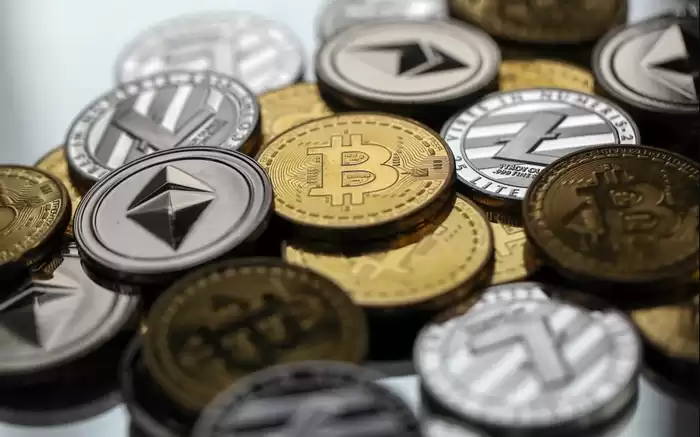
Within the realm of cryptocurrency enthusiasts, the phrase "going to the moon" has become a colloquial expression used to indicate a fervent belief in a particular cryptocurrency's potential for substantial price appreciation. This metaphorical ascent to the lunar surface signifies the anticipation of a rapid and significant increase in value, akin to a rocket ship blasting off into space.
The origins of this phrase can be traced back to the early days of the internet, where it was commonly employed in online forums and chat rooms to express optimism about the prospects of a specific stock or investment. Over time, it was adopted by the cryptocurrency community and has since become an integral part of its lexicon.
While the phrase "going to the moon" is often accompanied by a surge of excitement and anticipation, it is essential to recognize that it is primarily a speculative notion rather than a guaranteed outcome. The cryptocurrency market is inherently volatile, and the value of any given asset can fluctuate dramatically over short periods.
Factors Influencing the Potential of a Cryptocurrency to "Go to the Moon"Determining whether a cryptocurrency has the potential to "go to the moon" necessitates a comprehensive evaluation of various factors, including:
- Underlying Technology: The strength and innovation of the blockchain technology underpinning the cryptocurrency play a crucial role in determining its long-term viability and adoption.
- Project Team: The experience, credibility, and track record of the team behind a cryptocurrency project can provide insights into its potential for success.
- Market Sentiment: The overall sentiment towards a particular cryptocurrency within the market can significantly influence its price movements. Positive sentiment can fuel a buying frenzy, while negative sentiment can trigger a sell-off.
- Supply and Demand: The balance between the supply of a cryptocurrency and the demand for it can have a direct impact on its price. Limited supply and high demand can lead to price increases, while abundant supply and low demand can result in price decreases.
- Regulatory Landscape: The regulatory environment surrounding cryptocurrencies can have a significant impact on their price and adoption. Favorable regulations can foster growth and stability, while unfavorable regulations can create uncertainty and hinder progress.
While the allure of a cryptocurrency "going to the moon" can be captivating, it is crucial to exercise prudence and approach such investments with caution. Here are some important considerations:
- Volatility: The cryptocurrency market is highly volatile, and prices can fluctuate wildly. Investors should be prepared for potential losses and should only invest what they can afford to lose.
- Hype and Speculation: The "going to the moon" narrative can be fueled by hype and speculation, which can lead to unrealistic expectations. Investors should conduct thorough research and due diligence before making investment decisions.
- Rug Pulls and Scams: The cryptocurrency market is not immune to fraudulent activities, such as rug pulls and scams. Investors should be vigilant and avoid investing in projects that seem too good to be true.
- Losing Value: Even if a cryptocurrency "goes to the moon," it is not guaranteed to retain its elevated value indefinitely. Prices can come crashing down just as quickly as they rise.
In conclusion, while the phrase "going to the moon" encapsulates the hope and excitement associated with the potential for significant price appreciation in a cryptocurrency, it is essential to approach such investments with a balanced and informed perspective. Understanding the factors that influence a cryptocurrency's potential, exercising caution, and conducting thorough research are vital steps towards making sound investment decisions in this dynamic and ever-evolving market.
Disclaimer:info@kdj.com
The information provided is not trading advice. kdj.com does not assume any responsibility for any investments made based on the information provided in this article. Cryptocurrencies are highly volatile and it is highly recommended that you invest with caution after thorough research!
If you believe that the content used on this website infringes your copyright, please contact us immediately (info@kdj.com) and we will delete it promptly.






- Near.com and Ondo Finance Forge a New Frontier for Tokenized Stocks, ETFs, and Commodities
- 2026-09-23 05:05:01
- NEAR Protocol Solutions Tackle Lost Keys and Enhance Usability with Readable Accounts
- 2026-09-23 05:05:01
- Zcash Takes Center Stage: European ETP Launch Follows US ETF Approval, Igniting 'Bitcoin Alternative' Debate
- 2026-09-23 05:10:01
- 21Shares Expands Product Suite with New Zcash ETP, Enhancing European Investor Access
- 2026-09-23 04:50:01
- Aave Borrowing Limit, Bitcoin-Backed Loans: Strike's 'Volatility-Proof' Solution Amidst Tightening Aave Proposals
- 2026-09-23 05:10:01
- CME Group Expands Crypto Offerings with Bitcoin Cash and Uniswap Futures Amidst Growing Institutional Interest
- 2026-09-23 05:15:01
Related knowledge

What Is DAI and How Is It Different From USDT?
Sep 08,2026 at 05:00pm
Market Volatility Patterns1. Price swings exceeding 15% within a 24-hour window have occurred in over 68% of Bitcoin’s trading days since 2021. 2. Eth...

USDT, USDC and DAI: How Are These Stablecoins Different?
Sep 20,2026 at 05:59am
Bitcoin Halving Mechanics1. Bitcoin’s protocol enforces a fixed issuance schedule where block rewards are cut in half approximately every 210,000 bloc...

Why Can a Stablecoin Lose Its $1 Peg?
Sep 08,2026 at 02:00am
Reserve Composition and Transparency Gaps1. Many stablecoins claim to be fully backed by cash or short-duration US Treasuries, yet reserve disclosures...

What Is Self-Custody in Crypto and Why Does It Matter?
Sep 10,2026 at 04:19am
Definition and Core Mechanics1. Self-custody refers to the practice where individuals retain full control over their private keys without delegating t...

Custodial vs Non-Custodial Wallets: What’s the Difference?
Sep 17,2026 at 03:19am
Custodial Wallets Defined1. A custodial wallet is a digital asset storage solution where a third-party service provider holds and manages users’ priva...

What Is a Multisig Wallet and When Is It Useful?
Sep 12,2026 at 02:20pm
Definition and Core Architecture1. A multisig wallet is a cryptographic construct that requires multiple private keys to authorize a single blockchain...
What Is DAI and How Is It Different From USDT?
Sep 08,2026 at 05:00pm
Market Volatility Patterns1. Price swings exceeding 15% within a 24-hour window have occurred in over 68% of Bitcoin’s trading days since 2021. 2. Eth...
USDT, USDC and DAI: How Are These Stablecoins Different?
Sep 20,2026 at 05:59am
Bitcoin Halving Mechanics1. Bitcoin’s protocol enforces a fixed issuance schedule where block rewards are cut in half approximately every 210,000 bloc...
Why Can a Stablecoin Lose Its $1 Peg?
Sep 08,2026 at 02:00am
Reserve Composition and Transparency Gaps1. Many stablecoins claim to be fully backed by cash or short-duration US Treasuries, yet reserve disclosures...
What Is Self-Custody in Crypto and Why Does It Matter?
Sep 10,2026 at 04:19am
Definition and Core Mechanics1. Self-custody refers to the practice where individuals retain full control over their private keys without delegating t...
Custodial vs Non-Custodial Wallets: What’s the Difference?
Sep 17,2026 at 03:19am
Custodial Wallets Defined1. A custodial wallet is a digital asset storage solution where a third-party service provider holds and manages users’ priva...
What Is a Multisig Wallet and When Is It Useful?
Sep 12,2026 at 02:20pm
Definition and Core Architecture1. A multisig wallet is a cryptographic construct that requires multiple private keys to authorize a single blockchain...
See all articles


