






















-
 bitcoin
 $81483.540274 USD
1.45% - ethereum
$2656.445935 USD
3.16% - tether
$0.999729 USD
0.01% - bnb
$771.482703 USD
2.73% - xrp
$1.434506 USD
3.76% - usd-coin
$0.999848 USD
-0.01% - solana
$111.949960 USD
2.99% - tron
$0.342844 USD
0.77% - zcash
$1496.192048 USD
3.04% - hyperliquid
$93.842057 USD
2.86% - dogecoin
$0.088966 USD
4.37% - monero
$618.824864 USD
18.41% - chainlink
$12.540039 USD
4.61% - cardano
$0.232168 USD
5.42% - unus-sed-leo
$8.922830 USD
0.41%











What Is a Crypto-to-Fiat On-Ramp?
On-ramps serve as a vital bridge between the crypto and fiat worlds, allowing users to seamlessly convert their crypto assets into government-issued currencies like USD or EUR.
Nov 05, 2024 at 11:24 am
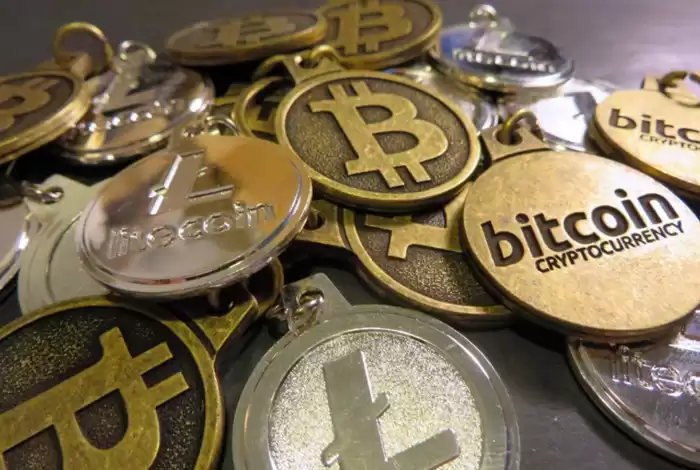
A crypto-to-fiat on-ramp is a digital platform or service that facilitates the conversion of cryptocurrencies into fiat currencies, such as USD, EUR, or GBP. By providing an easy and reliable gateway, on-ramps enable users to cash out their crypto assets into their bank accounts or other fiat-denominated platforms.
2. Importance:On-ramps play a crucial role in the crypto ecosystem by providing a bridge between the crypto world and the traditional financial system. They make it possible for users to:
- Realize profits from crypto investments.
- Fund fiat-based platforms, such as online stores or payment services.
- Diversify their portfolios by converting crypto assets into fiat.
- Centralized Exchanges: Major crypto exchanges like Coinbase and Binance offer on-ramp services, allowing users to sell their cryptocurrencies directly for fiat.
- Peer-to-Peer Marketplaces: Platforms like LocalBitcoins and Paxful connect buyers and sellers of cryptocurrencies for peer-to-peer transactions, often involving fiat payments.
- OTC Desks: Over-the-counter (OTC) desks provide tailored services to large crypto holders looking to sell large amounts of cryptocurrencies for fiat.
- Hybrid On-Ramps: Some services combine multiple methods, such as centralized exchanges and OTC desks, to provide a seamless and efficient on-ramp experience.
When choosing a crypto-to-fiat on-ramp, consider the following factors:
- Fees: On-ramps typically charge fees for conversion, ranging from 0.1% to 5%.
- Limits: Some on-ramps impose limits on the amount of crypto that can be converted daily or monthly.
- Verification Requirements: KYC and AML regulations often require on-ramps to verify users' identities before allowing fiat withdrawals.
- Payment Methods: Different on-ramps support various payment methods, such as bank transfers, credit/debit cards, PayPal, and more.
- Customer Support: Reliable on-ramps should provide prompt and responsive customer support to assist with any issues or queries.
Disclaimer:info@kdj.com
The information provided is not trading advice. kdj.com does not assume any responsibility for any investments made based on the information provided in this article. Cryptocurrencies are highly volatile and it is highly recommended that you invest with caution after thorough research!
If you believe that the content used on this website infringes your copyright, please contact us immediately (info@kdj.com) and we will delete it promptly.






- House Committee Advances 20-Year Bitcoin Reserve Bill: A Glimpse into America's Digital Asset Future
- 2026-09-21 12:45:01
- U.S. Treasury Slams Iranian Exchange BitBank with Sanctions Over Alleged IRGC Bitcoin Transfers
- 2026-09-21 04:45:01
- Crypto Crossroads: Best Crypto to Buy Amidst SEC Regulation & the Rise of Pepeto
- 2026-09-21 04:50:01
- Bitcoin Price: The Spectacular Rebound and Its Crossroads
- 2026-09-21 04:45:01
- One Attacker, Multiple Tokens: Inside the Fetch.ai Breach - A New York Minute
- 2026-09-20 20:50:02
- MultiversX Halts Mainnet: Unraveling the 'Invalid State' Incident
- 2026-09-20 20:45:01
Related knowledge

What Is DAI and How Is It Different From USDT?
Sep 08,2026 at 05:00pm
Market Volatility Patterns1. Price swings exceeding 15% within a 24-hour window have occurred in over 68% of Bitcoin’s trading days since 2021. 2. Eth...

USDT, USDC and DAI: How Are These Stablecoins Different?
Sep 20,2026 at 05:59am
Bitcoin Halving Mechanics1. Bitcoin’s protocol enforces a fixed issuance schedule where block rewards are cut in half approximately every 210,000 bloc...

Why Can a Stablecoin Lose Its $1 Peg?
Sep 08,2026 at 02:00am
Reserve Composition and Transparency Gaps1. Many stablecoins claim to be fully backed by cash or short-duration US Treasuries, yet reserve disclosures...

What Is Self-Custody in Crypto and Why Does It Matter?
Sep 10,2026 at 04:19am
Definition and Core Mechanics1. Self-custody refers to the practice where individuals retain full control over their private keys without delegating t...

Custodial vs Non-Custodial Wallets: What’s the Difference?
Sep 17,2026 at 03:19am
Custodial Wallets Defined1. A custodial wallet is a digital asset storage solution where a third-party service provider holds and manages users’ priva...

What Is a Multisig Wallet and When Is It Useful?
Sep 12,2026 at 02:20pm
Definition and Core Architecture1. A multisig wallet is a cryptographic construct that requires multiple private keys to authorize a single blockchain...
What Is DAI and How Is It Different From USDT?
Sep 08,2026 at 05:00pm
Market Volatility Patterns1. Price swings exceeding 15% within a 24-hour window have occurred in over 68% of Bitcoin’s trading days since 2021. 2. Eth...
USDT, USDC and DAI: How Are These Stablecoins Different?
Sep 20,2026 at 05:59am
Bitcoin Halving Mechanics1. Bitcoin’s protocol enforces a fixed issuance schedule where block rewards are cut in half approximately every 210,000 bloc...
Why Can a Stablecoin Lose Its $1 Peg?
Sep 08,2026 at 02:00am
Reserve Composition and Transparency Gaps1. Many stablecoins claim to be fully backed by cash or short-duration US Treasuries, yet reserve disclosures...
What Is Self-Custody in Crypto and Why Does It Matter?
Sep 10,2026 at 04:19am
Definition and Core Mechanics1. Self-custody refers to the practice where individuals retain full control over their private keys without delegating t...
Custodial vs Non-Custodial Wallets: What’s the Difference?
Sep 17,2026 at 03:19am
Custodial Wallets Defined1. A custodial wallet is a digital asset storage solution where a third-party service provider holds and manages users’ priva...
What Is a Multisig Wallet and When Is It Useful?
Sep 12,2026 at 02:20pm
Definition and Core Architecture1. A multisig wallet is a cryptographic construct that requires multiple private keys to authorize a single blockchain...
See all articles


