














-
 bitcoin
 $83653.336055 USD
-0.69% - ethereum
$2526.767249 USD
-1.89% - tether
$0.998732 USD
-0.02% - bnb
$744.116997 USD
-1.46% - xrp
$1.373106 USD
-2.94% - usd-coin
$0.999930 USD
0.00% - solana
$108.107606 USD
-4.13% - tron
$0.329421 USD
-0.68% - hyperliquid
$82.951678 USD
-5.54% - zcash
$1213.361655 USD
-8.84% - dogecoin
$0.084704 USD
-3.29% - monero
$539.250772 USD
0.81% - chainlink
$13.033689 USD
-2.89% - cardano
$0.238848 USD
-5.73% - unus-sed-leo
$8.898688 USD
0.13%











How to Calculate A Day Trading Volume?
To calculate daily trading volume, sum the total number of shares traded in a stock or security during a specified trading day.
Oct 18, 2024 at 12:54 pm
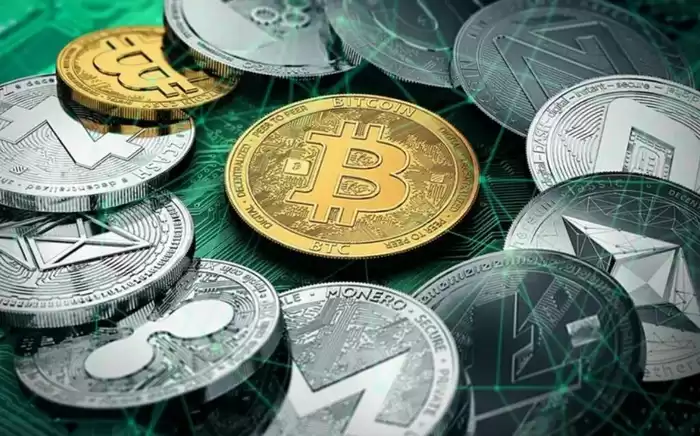
Trading volume refers to the total number of shares traded in a stock or other security during a specific period, typically a trading day.
2. Obtain Trading DataTo calculate trading volume, you need to gather data on the number of shares traded in the security for the specified day. This data can be found on financial websites or brokerage statements.
3. Select the Time PeriodTrading volume is usually measured on a daily basis. However, you can also calculate volume for other time periods such as an hour, month, or year.
4. Sum the Traded SharesOnce you have the trading data, add up the number of shares traded for all transactions during the selected time period.
5. Formula for Daily Trading VolumeThe formula for daily trading volume is:
Daily Trading Volume = Total Number of Shares TradedExampleLet's calculate the daily trading volume for Apple stock on January 10, 2023:
Obtain Trading Data:
Apple stock traded 100,000 shares at $120.00
Another 50,000 shares were traded at $120.50
Sum the Traded Shares:
100,000 + 50,000 = 150,000
Daily Trading Volume:
150,000 shares
Therefore, the daily trading volume for Apple stock on January 10, 2023, was 150,000 shares.
Disclaimer:info@kdj.com
The information provided is not trading advice. kdj.com does not assume any responsibility for any investments made based on the information provided in this article. Cryptocurrencies are highly volatile and it is highly recommended that you invest with caution after thorough research!
If you believe that the content used on this website infringes your copyright, please contact us immediately (info@kdj.com) and we will delete it promptly.






- 2027 ASEAN SHOP Set to Revolutionize Retail in Southeast Asia, While Blur NFT Marketplace Fades
- 2026-10-14 04:35:01
- Blockchain.com Eyes U.S. Derivatives Market with CFTC License Pursuit, Following Coinbase's Regulatory Milestone
- 2026-10-14 04:50:01
- UK Court Ruling Sends Ripples: Who Owns the Gains on Stolen BTC?
- 2026-10-13 12:50:01
- Standard Chartered Taps XRP Ledger for RLUSD Custody, Signaling Institutional Embrace
- 2026-10-13 12:35:01
- Securitize Stock Soars on StoneX Target Hike and Innovative Platform Launch
- 2026-10-13 08:45:01
- Bitcoin, CPI Week, and Pepeto: Navigating Market Volatility for Potential Gains
- 2026-10-13 04:55:02
Related knowledge

What Is DAI and How Is It Different From USDT?
Sep 08,2026 at 05:00pm
Market Volatility Patterns1. Price swings exceeding 15% within a 24-hour window have occurred in over 68% of Bitcoin’s trading days since 2021. 2. Eth...
USDT, USDC and DAI: How Are These Stablecoins Different?
Sep 20,2026 at 05:59am
Bitcoin Halving Mechanics1. Bitcoin’s protocol enforces a fixed issuance schedule where block rewards are cut in half approximately every 210,000 bloc...

Why Can a Stablecoin Lose Its $1 Peg?
Sep 08,2026 at 02:00am
Reserve Composition and Transparency Gaps1. Many stablecoins claim to be fully backed by cash or short-duration US Treasuries, yet reserve disclosures...
What Is a Crypto Stablecoin Depeg?
Sep 24,2026 at 04:39pm
Definition and Mechanism of Depegging1. A crypto stablecoin depeg occurs when the market price of a stablecoin deviates significantly from its intende...

What Is Self-Custody in Crypto and Why Does It Matter?
Sep 10,2026 at 04:19am
Definition and Core Mechanics1. Self-custody refers to the practice where individuals retain full control over their private keys without delegating t...

Custodial vs Non-Custodial Wallets: What’s the Difference?
Sep 17,2026 at 03:19am
Custodial Wallets Defined1. A custodial wallet is a digital asset storage solution where a third-party service provider holds and manages users’ priva...
What Is DAI and How Is It Different From USDT?
Sep 08,2026 at 05:00pm
Market Volatility Patterns1. Price swings exceeding 15% within a 24-hour window have occurred in over 68% of Bitcoin’s trading days since 2021. 2. Eth...
USDT, USDC and DAI: How Are These Stablecoins Different?
Sep 20,2026 at 05:59am
Bitcoin Halving Mechanics1. Bitcoin’s protocol enforces a fixed issuance schedule where block rewards are cut in half approximately every 210,000 bloc...
Why Can a Stablecoin Lose Its $1 Peg?
Sep 08,2026 at 02:00am
Reserve Composition and Transparency Gaps1. Many stablecoins claim to be fully backed by cash or short-duration US Treasuries, yet reserve disclosures...
What Is a Crypto Stablecoin Depeg?
Sep 24,2026 at 04:39pm
Definition and Mechanism of Depegging1. A crypto stablecoin depeg occurs when the market price of a stablecoin deviates significantly from its intende...
What Is Self-Custody in Crypto and Why Does It Matter?
Sep 10,2026 at 04:19am
Definition and Core Mechanics1. Self-custody refers to the practice where individuals retain full control over their private keys without delegating t...
Custodial vs Non-Custodial Wallets: What’s the Difference?
Sep 17,2026 at 03:19am
Custodial Wallets Defined1. A custodial wallet is a digital asset storage solution where a third-party service provider holds and manages users’ priva...
See all articles


