














-
 bitcoin
 $86353.520310 USD
1.06% - ethereum
$2748.504094 USD
0.61% - tether
$0.999805 USD
0.00% - bnb
$789.713139 USD
0.35% - xrp
$1.621177 USD
6.50% - usd-coin
$0.999968 USD
-0.01% - solana
$118.732892 USD
1.75% - tron
$0.343839 USD
-1.32% - zcash
$1622.688363 USD
8.33% - hyperliquid
$97.151941 USD
2.83% - dogecoin
$0.101886 USD
2.10% - monero
$571.352536 USD
-0.93% - chainlink
$13.016236 USD
0.75% - cardano
$0.257732 USD
5.00% - unus-sed-leo
$8.985389 USD
0.15%











What does Bull Market mean in the cryptocurrency world
During a bull market, characterized by rising cryptocurrency prices and investor optimism, the demand for cryptocurrencies exceeds the supply, driving up their value.
Oct 29, 2024 at 07:10 am
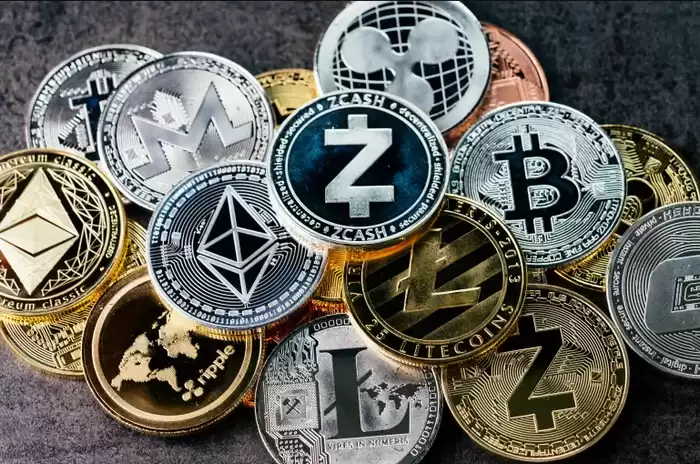
What does Bull Market mean in the cryptocurrency world?
A bull market is a period of time where the prices of cryptocurrencies are rising and investors are optimistic about the future. During a bull market, more people are buying cryptocurrencies than selling them, which drives up the prices.
There are a few factors that can contribute to a bull market, including:
- Positive news: Good news about the cryptocurrency industry, such as the launch of a new product or partnership, can lead to increased investor confidence and buying.
- Increased demand: As more people become interested in cryptocurrencies, the demand for them increases. This can also lead to higher prices.
- Speculation: Some investors buy cryptocurrencies in the hope that they will rise in value, which can also contribute to a bull market.
Bull markets can last for months or even years, but they eventually come to an end. When prices start to fall, a bear market begins.
How to identify a bull marketThere are a few signs that indicate a bull market is underway:
- Rising prices: The prices of cryptocurrencies are consistently rising.
- High trading volume: The volume of cryptocurrency trading is increasing.
- Positive sentiment: Investors are optimistic about the future of cryptocurrencies.
- FOMO (fear of missing out): Investors are buying cryptocurrencies because they don't want to miss out on the gains.
If you are invested in cryptocurrencies, there are a few things you can do during a bull market:
- Hold on to your coins: If you believe that the bull market will continue, you may want to hold on to your coins in the hope that they will continue to rise in value.
- Take profits: If you are comfortable with the profits you have made, you may want to sell some of your coins to take some profits off the table.
- Buy more coins: If you are confident that the bull market will continue, you may want to buy more coins at a discount.
Bull markets can be risky, and it is important to remember that they can come to an end at any time. If you are investing in cryptocurrencies, you should be prepared to lose money.
Here are some of the risks associated with bull markets:
- Volatility: The prices of cryptocurrencies can be volatile, and they can quickly drop in value.
- Bubbles: Bull markets can sometimes lead to bubbles, where prices rise to unsustainable levels. When a bubble bursts, prices can crash.
- Scams: Bull markets can also attract scammers who are looking to take advantage of unsuspecting investors.
Disclaimer:info@kdj.com
The information provided is not trading advice. kdj.com does not assume any responsibility for any investments made based on the information provided in this article. Cryptocurrencies are highly volatile and it is highly recommended that you invest with caution after thorough research!
If you believe that the content used on this website infringes your copyright, please contact us immediately (info@kdj.com) and we will delete it promptly.






- Pepeto, XRP, and SHIB: Navigating the Next Wave in Crypto's Dynamic Landscape
- 2026-09-24 04:55:01
- MoonPay Acquires North Capital, Bolstering Private Markets Infrastructure for Tokenized Assets
- 2026-09-24 04:55:01
- Blockchain.com and NYSE Forge Ahead in Tokenized Securities with Global 24/7 Trading Vision
- 2026-09-24 05:00:01
- Circle's Stablecoin Chain, USDC, and Stablecoin Chain Dynamics: A New Era Dawns
- 2026-09-24 05:00:01
- Injective's Innovative Token Burn and Stockdrop Program Connects Crypto with Real-World Assets
- 2026-09-24 05:05:01
- TRON Blockchain: The New King of Revenue, Driven by Stablecoins and Smart Strategy
- 2026-09-24 05:05:01
Related knowledge

What Is DAI and How Is It Different From USDT?
Sep 08,2026 at 05:00pm
Market Volatility Patterns1. Price swings exceeding 15% within a 24-hour window have occurred in over 68% of Bitcoin’s trading days since 2021. 2. Eth...

USDT, USDC and DAI: How Are These Stablecoins Different?
Sep 20,2026 at 05:59am
Bitcoin Halving Mechanics1. Bitcoin’s protocol enforces a fixed issuance schedule where block rewards are cut in half approximately every 210,000 bloc...

Why Can a Stablecoin Lose Its $1 Peg?
Sep 08,2026 at 02:00am
Reserve Composition and Transparency Gaps1. Many stablecoins claim to be fully backed by cash or short-duration US Treasuries, yet reserve disclosures...

What Is Self-Custody in Crypto and Why Does It Matter?
Sep 10,2026 at 04:19am
Definition and Core Mechanics1. Self-custody refers to the practice where individuals retain full control over their private keys without delegating t...

Custodial vs Non-Custodial Wallets: What’s the Difference?
Sep 17,2026 at 03:19am
Custodial Wallets Defined1. A custodial wallet is a digital asset storage solution where a third-party service provider holds and manages users’ priva...

What Is a Multisig Wallet and When Is It Useful?
Sep 12,2026 at 02:20pm
Definition and Core Architecture1. A multisig wallet is a cryptographic construct that requires multiple private keys to authorize a single blockchain...
What Is DAI and How Is It Different From USDT?
Sep 08,2026 at 05:00pm
Market Volatility Patterns1. Price swings exceeding 15% within a 24-hour window have occurred in over 68% of Bitcoin’s trading days since 2021. 2. Eth...
USDT, USDC and DAI: How Are These Stablecoins Different?
Sep 20,2026 at 05:59am
Bitcoin Halving Mechanics1. Bitcoin’s protocol enforces a fixed issuance schedule where block rewards are cut in half approximately every 210,000 bloc...
Why Can a Stablecoin Lose Its $1 Peg?
Sep 08,2026 at 02:00am
Reserve Composition and Transparency Gaps1. Many stablecoins claim to be fully backed by cash or short-duration US Treasuries, yet reserve disclosures...
What Is Self-Custody in Crypto and Why Does It Matter?
Sep 10,2026 at 04:19am
Definition and Core Mechanics1. Self-custody refers to the practice where individuals retain full control over their private keys without delegating t...
Custodial vs Non-Custodial Wallets: What’s the Difference?
Sep 17,2026 at 03:19am
Custodial Wallets Defined1. A custodial wallet is a digital asset storage solution where a third-party service provider holds and manages users’ priva...
What Is a Multisig Wallet and When Is It Useful?
Sep 12,2026 at 02:20pm
Definition and Core Architecture1. A multisig wallet is a cryptographic construct that requires multiple private keys to authorize a single blockchain...
See all articles


