










![※Breaking News※ [Ripple XRP] $4 will go first this year!! Exceeded 5,500 won per piece!! Market capitalization is a whopping 543 trillion won!! It was crazy!!](/uploads/2026/09/28/cryptocurrencies-news/videos/origin_6aba3643acb8c_image_500_375.webp "※Breaking News※ [Ripple XRP] $4 will go first this year!! Exceeded 5,500 won per piece!! Market capitalization is a whopping 543 trillion won!! It was crazy!!")






-
 bitcoin
 $83069.738644 USD
-1.71% - ethereum
$2647.234855 USD
-2.15% - tether
$0.999549 USD
-0.01% - bnb
$763.231625 USD
-1.53% - xrp
$1.480335 USD
-2.74% - usd-coin
$0.999917 USD
0.01% - solana
$118.627399 USD
-2.28% - tron
$0.333784 USD
0.19% - zcash
$1546.788972 USD
-6.91% - hyperliquid
$89.122220 USD
-3.89% - dogecoin
$0.092894 USD
-4.17% - chainlink
$13.780821 USD
-3.63% - monero
$533.616649 USD
-4.01% - cardano
$0.245086 USD
-4.10% - unus-sed-leo
$9.072685 USD
0.08%











What Are BRC-20 Tokens?
BRC-20 tokens, based on the Ethereum ERC-20 standard and optimized for the Binance Smart Chain, facilitate the creation and use of fungible tokens within the BSC ecosystem, offering benefits like low transaction fees and fast speeds.
Oct 19, 2024 at 05:12 am
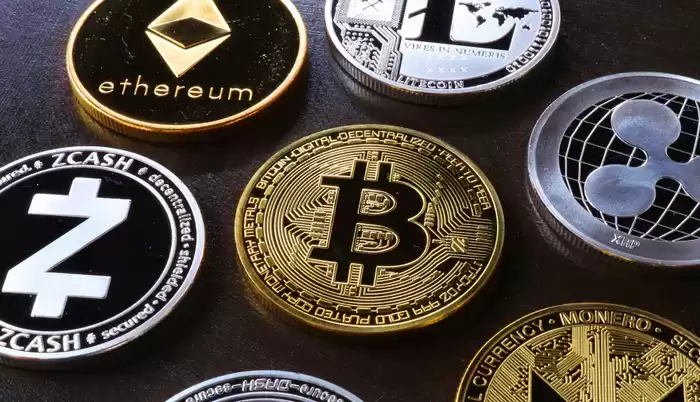
1. Introduction:BRC-20 tokens are a standard for tokens on the Binance Smart Chain (BSC). They enable developers to create and use fungible tokens within the BSC ecosystem. This article will explore the key aspects of BRC-20 tokens, their advantages, and how they differ from other token standards.
2. Technical Specifications:BRC-20 tokens are based on the Ethereum ERC-20 token standard, with modifications to optimize them for the BSC. They adhere to a set of rules that define how tokens are created, transferred, and managed on the BSC blockchain. These specifications include:
- Total Supply: Defines the maximum number of tokens that can be minted.
- BalanceOf: Returns the balance of a specific address in a given token.
- Transfer: Transfers tokens from one address to another.
- TransferFrom: Allows an address to transfer tokens on behalf of another address.
- Approve: Grants permission to another address to transfer tokens on behalf of a specific address.
3. Advantages of BRC-20 Tokens:BRC-20 tokens offer several advantages over other token standards:
- Lower Transaction Fees: BSC has significantly lower transaction fees compared to Ethereum, making BRC-20 tokens cost-effective for transactions.
- Faster Transaction Speeds: Transactions on the BSC are processed much faster than on Ethereum, enabling quicker confirmations.
- Binance Support: The Binance ecosystem provides support and infrastructure for BRC-20 tokens, making it easier for developers to build and deploy applications.
- Interoperability with BEP-20: BRC-20 tokens are fully compatible with BEP-20 tokens, ensuring seamless integration with the broader Binance Coin (BNB) ecosystem.
4. Differences from Other Token Standards:While BRC-20 tokens are similar to ERC-20 tokens, there are some key differences:
- Chain Compatibility: BRC-20 tokens are only compatible with the BSC, while ERC-20 tokens are compatible with the Ethereum blockchain.
- Network Optimization: BRC-20 tokens are optimized for the BSC's capabilities, resulting in lower fees and faster speeds compared to ERC-20 tokens on the Ethereum network.
5. Use Cases of BRC-20 Tokens:BRC-20 tokens have a wide range of use cases within the BSC ecosystem, including:
- Utility Tokens: Used for accessing specific services, products, or privileges within decentralized applications (dApps).
- Governance Tokens: Represent voting rights and participation in blockchain governance protocols.
- Security Tokens: Represent ownership rights in real-world assets, such as stocks, bonds, or real estate.
- Stablecoins: Peg their value to fiat currencies or other assets to provide price stability.
6. Conclusion:BRC-20 tokens are a versatile and powerful tool for developers within the Binance Smart Chain ecosystem. They enable the creation of fungible tokens that leverage the advantages of the BSC, including low fees, fast speeds, and Binance support. BRC-20 tokens play a significant role in the growth and adoption of DeFi, decentralized applications, and blockchain technology on the BSC.
Disclaimer:info@kdj.com
The information provided is not trading advice. kdj.com does not assume any responsibility for any investments made based on the information provided in this article. Cryptocurrencies are highly volatile and it is highly recommended that you invest with caution after thorough research!
If you believe that the content used on this website infringes your copyright, please contact us immediately (info@kdj.com) and we will delete it promptly.





- LINK Price Surge: Chainlink Analysis and Prediction Fueled by CCIP 2.0 Launch
- 2026-09-29 12:55:02
- Robinhood Chain Sees Surge in Perps as Spot Trading Cools Amidst Broader Market Shifts
- 2026-09-29 12:55:02
- InterLink Users Can Now Spend ITL on Real-World Goods, Boosting ITL Usage
- 2026-09-29 13:00:01
- Robinhood, GameStop, and Sei: A New Era of Trading Infrastructure Unfolds
- 2026-09-29 13:00:01
- Quant Partnership Powers On-Chain Money, Hedera HBAR Surges Amidst Global Tokenization Push
- 2026-09-29 13:05:01
- Ethereum Transfers Get a Speed Boost: Chainlink's CCIP 2.0 Slashes Transfer Times, Enhancing Fast Ethereum Transfers and Overall Ethereum Transfer Speed
- 2026-09-29 13:05:02
Related knowledge

What Is DAI and How Is It Different From USDT?
Sep 08,2026 at 05:00pm
Market Volatility Patterns1. Price swings exceeding 15% within a 24-hour window have occurred in over 68% of Bitcoin’s trading days since 2021. 2. Eth...

USDT, USDC and DAI: How Are These Stablecoins Different?
Sep 20,2026 at 05:59am
Bitcoin Halving Mechanics1. Bitcoin’s protocol enforces a fixed issuance schedule where block rewards are cut in half approximately every 210,000 bloc...

Why Can a Stablecoin Lose Its $1 Peg?
Sep 08,2026 at 02:00am
Reserve Composition and Transparency Gaps1. Many stablecoins claim to be fully backed by cash or short-duration US Treasuries, yet reserve disclosures...
What Is a Crypto Stablecoin Depeg?
Sep 24,2026 at 04:39pm
Definition and Mechanism of Depegging1. A crypto stablecoin depeg occurs when the market price of a stablecoin deviates significantly from its intende...

What Is Self-Custody in Crypto and Why Does It Matter?
Sep 10,2026 at 04:19am
Definition and Core Mechanics1. Self-custody refers to the practice where individuals retain full control over their private keys without delegating t...

Custodial vs Non-Custodial Wallets: What’s the Difference?
Sep 17,2026 at 03:19am
Custodial Wallets Defined1. A custodial wallet is a digital asset storage solution where a third-party service provider holds and manages users’ priva...
What Is DAI and How Is It Different From USDT?
Sep 08,2026 at 05:00pm
Market Volatility Patterns1. Price swings exceeding 15% within a 24-hour window have occurred in over 68% of Bitcoin’s trading days since 2021. 2. Eth...
USDT, USDC and DAI: How Are These Stablecoins Different?
Sep 20,2026 at 05:59am
Bitcoin Halving Mechanics1. Bitcoin’s protocol enforces a fixed issuance schedule where block rewards are cut in half approximately every 210,000 bloc...
Why Can a Stablecoin Lose Its $1 Peg?
Sep 08,2026 at 02:00am
Reserve Composition and Transparency Gaps1. Many stablecoins claim to be fully backed by cash or short-duration US Treasuries, yet reserve disclosures...
What Is a Crypto Stablecoin Depeg?
Sep 24,2026 at 04:39pm
Definition and Mechanism of Depegging1. A crypto stablecoin depeg occurs when the market price of a stablecoin deviates significantly from its intende...
What Is Self-Custody in Crypto and Why Does It Matter?
Sep 10,2026 at 04:19am
Definition and Core Mechanics1. Self-custody refers to the practice where individuals retain full control over their private keys without delegating t...
Custodial vs Non-Custodial Wallets: What’s the Difference?
Sep 17,2026 at 03:19am
Custodial Wallets Defined1. A custodial wallet is a digital asset storage solution where a third-party service provider holds and manages users’ priva...
See all articles


