














-
 bitcoin
 $86353.520310 USD
1.06% - ethereum
$2748.504094 USD
0.61% - tether
$0.999805 USD
0.00% - bnb
$789.713139 USD
0.35% - xrp
$1.621177 USD
6.50% - usd-coin
$0.999968 USD
-0.01% - solana
$118.732892 USD
1.75% - tron
$0.343839 USD
-1.32% - zcash
$1622.688363 USD
8.33% - hyperliquid
$97.151941 USD
2.83% - dogecoin
$0.101886 USD
2.10% - monero
$571.352536 USD
-0.93% - chainlink
$13.016236 USD
0.75% - cardano
$0.257732 USD
5.00% - unus-sed-leo
$8.985389 USD
0.15%











One article will help you understand what airdrops are often mentioned in the cryptocurrency circle?
Airdrops, a prevalent marketing strategy in cryptocurrency, entail the distribution of free coins to wallet holders meeting specific criteria to promote projects, reward users, and generate buzz within the crypto community.
Oct 21, 2024 at 05:54 am
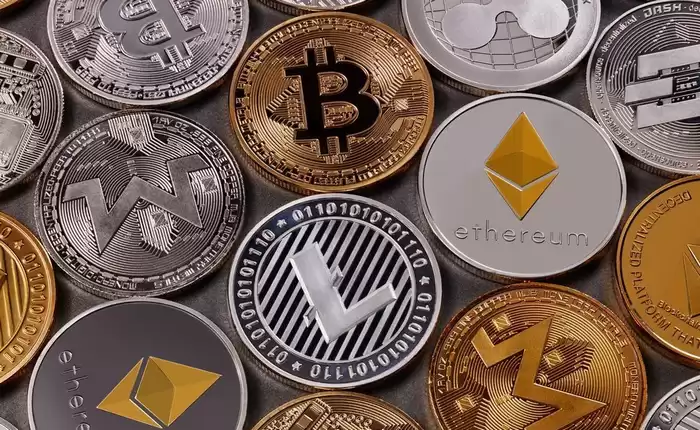
1. Definition:An airdrop is a marketing strategy commonly employed in the cryptocurrency industry, where a specific cryptocurrency or altcoin is distributed free of charge to wallet holders meeting certain criteria.
2. Purpose:Airdrops serve various purposes, including:
- Promoting new cryptocurrencies or projects
- Reward existing users and supporters
- Generating buzz and interest within the crypto community
3. Eligibility Criteria:Typically, airdrops require participants to fulfill certain conditions, such as:
- Holding a specific crypto asset in their wallet
- Completing tasks or participating in promotional activities
- Following specific social media accounts or subscribing to newsletters
4. Distribution Methods:Airdrops can be distributed in different ways:
- Automatically to all eligible wallet addresses
- Through a lottery or contest
- Manually by a project team
5. Benefits:Participating in airdrops offers potential benefits to participants, including:
- Free crypto tokens or coins
- Exposure to emerging projects
- Increased wallet diversity
6. Risks:While airdrops can provide opportunities for potential gains, there are also risks to consider:
- Scams: Some airdrops may be fraudulent attempts to steal users' private keys or sensitive information.
- Volatility: Cryptocurrency values can be highly volatile, and there is a risk of losing value if the distributed coins experience a price drop.
- Tax Implications: Airdropped tokens may be taxable depending on the specific laws and regulations applicable to the recipient's jurisdiction.
7. How to Participate:To participate in an airdrop, follow these steps:
- Research the project and ensure its legitimacy.
- Check the eligibility criteria and requirements.
- Follow the instructions provided by the project team.
- Be aware of potential scams and never provide sensitive information.
Remember: Due diligence and caution are crucial when participating in any cryptocurrency-related activity, including airdrops.
Disclaimer:info@kdj.com
The information provided is not trading advice. kdj.com does not assume any responsibility for any investments made based on the information provided in this article. Cryptocurrencies are highly volatile and it is highly recommended that you invest with caution after thorough research!
If you believe that the content used on this website infringes your copyright, please contact us immediately (info@kdj.com) and we will delete it promptly.






- Pepeto, XRP, and SHIB: Navigating the Next Wave in Crypto's Dynamic Landscape
- 2026-09-24 04:55:01
- MoonPay Acquires North Capital, Bolstering Private Markets Infrastructure for Tokenized Assets
- 2026-09-24 04:55:01
- Blockchain.com and NYSE Forge Ahead in Tokenized Securities with Global 24/7 Trading Vision
- 2026-09-24 05:00:01
- Circle's Stablecoin Chain, USDC, and Stablecoin Chain Dynamics: A New Era Dawns
- 2026-09-24 05:00:01
- Injective's Innovative Token Burn and Stockdrop Program Connects Crypto with Real-World Assets
- 2026-09-24 05:05:01
- TRON Blockchain: The New King of Revenue, Driven by Stablecoins and Smart Strategy
- 2026-09-24 05:05:01
Related knowledge

What Is DAI and How Is It Different From USDT?
Sep 08,2026 at 05:00pm
Market Volatility Patterns1. Price swings exceeding 15% within a 24-hour window have occurred in over 68% of Bitcoin’s trading days since 2021. 2. Eth...

USDT, USDC and DAI: How Are These Stablecoins Different?
Sep 20,2026 at 05:59am
Bitcoin Halving Mechanics1. Bitcoin’s protocol enforces a fixed issuance schedule where block rewards are cut in half approximately every 210,000 bloc...

Why Can a Stablecoin Lose Its $1 Peg?
Sep 08,2026 at 02:00am
Reserve Composition and Transparency Gaps1. Many stablecoins claim to be fully backed by cash or short-duration US Treasuries, yet reserve disclosures...

What Is Self-Custody in Crypto and Why Does It Matter?
Sep 10,2026 at 04:19am
Definition and Core Mechanics1. Self-custody refers to the practice where individuals retain full control over their private keys without delegating t...

Custodial vs Non-Custodial Wallets: What’s the Difference?
Sep 17,2026 at 03:19am
Custodial Wallets Defined1. A custodial wallet is a digital asset storage solution where a third-party service provider holds and manages users’ priva...

What Is a Multisig Wallet and When Is It Useful?
Sep 12,2026 at 02:20pm
Definition and Core Architecture1. A multisig wallet is a cryptographic construct that requires multiple private keys to authorize a single blockchain...
What Is DAI and How Is It Different From USDT?
Sep 08,2026 at 05:00pm
Market Volatility Patterns1. Price swings exceeding 15% within a 24-hour window have occurred in over 68% of Bitcoin’s trading days since 2021. 2. Eth...
USDT, USDC and DAI: How Are These Stablecoins Different?
Sep 20,2026 at 05:59am
Bitcoin Halving Mechanics1. Bitcoin’s protocol enforces a fixed issuance schedule where block rewards are cut in half approximately every 210,000 bloc...
Why Can a Stablecoin Lose Its $1 Peg?
Sep 08,2026 at 02:00am
Reserve Composition and Transparency Gaps1. Many stablecoins claim to be fully backed by cash or short-duration US Treasuries, yet reserve disclosures...
What Is Self-Custody in Crypto and Why Does It Matter?
Sep 10,2026 at 04:19am
Definition and Core Mechanics1. Self-custody refers to the practice where individuals retain full control over their private keys without delegating t...
Custodial vs Non-Custodial Wallets: What’s the Difference?
Sep 17,2026 at 03:19am
Custodial Wallets Defined1. A custodial wallet is a digital asset storage solution where a third-party service provider holds and manages users’ priva...
What Is a Multisig Wallet and When Is It Useful?
Sep 12,2026 at 02:20pm
Definition and Core Architecture1. A multisig wallet is a cryptographic construct that requires multiple private keys to authorize a single blockchain...
See all articles


