










![[Ripple Forecast] Trump's shocking remarks against Ripple tonight, if true, will all my XRP become a piece of paper?](/uploads/2026/09/25/cryptocurrencies-news/videos/origin_6ab6108c74ee2_image_500_375.webp "[Ripple Forecast] Trump's shocking remarks against Ripple tonight, if true, will all my XRP become a piece of paper?")






-
 bitcoin
 $83805.883570 USD
-0.30% - ethereum
$2668.994877 USD
-0.50% - tether
$0.999764 USD
0.00% - bnb
$772.274408 USD
0.02% - xrp
$1.528343 USD
2.01% - usd-coin
$0.999872 USD
0.01% - solana
$116.029741 USD
1.13% - tron
$0.338529 USD
-1.43% - zcash
$1541.065275 USD
1.74% - hyperliquid
$92.086635 USD
-0.29% - dogecoin
$0.094822 USD
0.75% - monero
$571.713251 USD
2.16% - chainlink
$13.383146 USD
8.07% - cardano
$0.247245 USD
2.90% - unus-sed-leo
$8.791211 USD
-2.28%











What coin is NEO
NEO, initially Antshares, is an open-source blockchain platform created by OnChain in 2014 and is used to develop and deploy smart contracts, digital assets, and decentralized applications (dApps).
Nov 13, 2024 at 07:38 pm
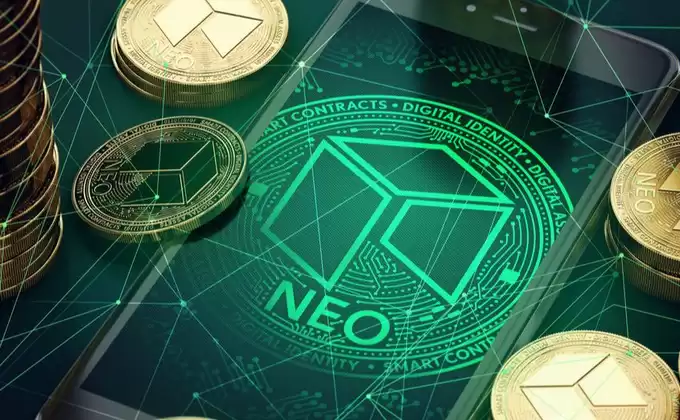
NEO, formerly known as Antshares, is an open-source blockchain platform and cryptocurrency developed by the Chinese company OnChain. Launched in 2014, NEO aims to establish a distributed network for the development and deployment of smart contracts, digital assets, and decentralized applications (dApps).
Key Features of NEO:- Smart Contracts: NEO provides a robust framework for creating and executing smart contracts, enabling developers to program complex agreements and automate various business processes.
- Digital Assets: NEO supports the issuance and management of digital assets, including tokens and other blockchain-based instruments, facilitating tokenized economies and digital asset transactions.
- Decentralized Applications (dApps): NEO enables the development and hosting of dApps, providing a platform for running decentralized services and applications that leverages the blockchain's immutability and transparency.
- Consensus Protocol: NEO employs a consensus protocol known as dBFT (Delegated Byzantine Fault Tolerance), which combines delegated proof-of-stake (DPoS) with the classic Byzantine Fault Tolerance algorithm, ensuring high transaction throughput and security.
- Interoperability: NEO is designed to be interoperable with other blockchain platforms, allowing for seamless communication and data exchange between different blockchain networks.
NEO operates on a dual-token system, consisting of NEO tokens and GAS tokens:
- NEO Tokens: NEO tokens represent ownership stakes in the network and serve as voting tokens for proposals and network upgrades. Holders of NEO tokens also receive GAS tokens as rewards for their participation.
- GAS Tokens: GAS tokens are used as fuel for executing transactions and smart contracts on the NEO blockchain. GAS tokens are generated regularly and distributed to NEO token holders.
- High Scalability: NEO's consensus protocol, dBFT, enables it to handle high transaction volumes, making it suitable for large-scale applications and enterprise use.
- Smart Contract Compatibility: NEO's smart contract platform is compatible with several popular programming languages, making it accessible to a wide range of developers.
- Regulatory Compliance: NEO has a strong focus on compliance with regulatory frameworks, making it an attractive option for businesses seeking blockchain solutions that adhere to regulatory requirements.
- Interoperability: NEO's interoperability feature allows it to connect with other blockchain platforms, enabling cross-chain interactions and the exchange of data and assets.
- Strong Development Community: NEO has a dedicated development community that provides support, resources, and tools for developers building on the platform.
Disclaimer:info@kdj.com
The information provided is not trading advice. kdj.com does not assume any responsibility for any investments made based on the information provided in this article. Cryptocurrencies are highly volatile and it is highly recommended that you invest with caution after thorough research!
If you believe that the content used on this website infringes your copyright, please contact us immediately (info@kdj.com) and we will delete it promptly.





- BlackRock and Ondo Finance Pioneer Tokenization: A New Era for Accessible Digital Assets
- 2026-09-25 08:45:01
- Asia's Crypto Surge Amidst Global Scrutiny: Key Trends in Adoption, Security Breaches, and Regulatory Shifts
- 2026-09-25 08:45:01
- Expert Warning for XRP Holders: Retest Imminent Amidst Geopolitical Turmoil, Analyst Urges Caution
- 2026-09-25 00:35:01
- Ethereum ETF Inflow Sees Grayscale Bitwise Divergence Amidst Modest Net Inflow: A NYC Take
- 2026-09-25 00:35:01
- Pepeto vs. The Giants: Unveiling the Next 100x Crypto Amidst ADA and CRO's Steady Climb
- 2026-09-24 08:35:01
- Bittensor Price Prediction Soars 20% as Pepeto Presale Captures Early Investor Attention
- 2026-09-24 08:45:02
Related knowledge
What is Ethereum’s Slashing mechanism and how to punish malicious behavior?
Feb 20,2025 at 03:08am
Key PointsOverview of slashingDifferent types of slashing in EthereumIncentives and consequences of slashingIdentifying and reporting slashed validato...
What is the verifier node of Ethereum and how to become a verifier?
Feb 19,2025 at 06:00pm
The Verifier Node of Ethereum: A Comprehensive GuideKey Points:What is a Verifier Node?How to Become a Verifier NodeResponsibilities and Rewards of a ...
What is Ethereum’s staking, and how to participate and earn money?
Feb 19,2025 at 04:37pm
Key Points:Understanding Ethereum's Staking MechanismSteps to Participate in StakingBenefits and Rewards of StakingSecurity and Risk ConsiderationsTec...
What is Ethereum’s DAO (Decentralized Autonomous Organization) and how does it work?
Feb 20,2025 at 03:12am
Key PointsDefinition and Structure of a DAOGovernance and Decision-Making in DAOsBenefits and Use Cases of DAOsChallenges and Limitations of DAOsWhat ...
What is Ethereum's multi-signature wallet and how to improve security?
Feb 20,2025 at 02:18pm
Key Points:Understanding the Concept of a Multi-Signature WalletBenefits and Drawbacks of Multisig WalletsRequirements for Setting Up a Multisig Walle...
What is Ethereum's oracle and how to provide data for smart contracts?
Feb 21,2025 at 01:30am
Key Points:Understanding the concept of oracles in EthereumExploring different types of oraclesDetailed guide on how to provide data for smart contrac...
What is Ethereum’s Slashing mechanism and how to punish malicious behavior?
Feb 20,2025 at 03:08am
Key PointsOverview of slashingDifferent types of slashing in EthereumIncentives and consequences of slashingIdentifying and reporting slashed validato...
What is the verifier node of Ethereum and how to become a verifier?
Feb 19,2025 at 06:00pm
The Verifier Node of Ethereum: A Comprehensive GuideKey Points:What is a Verifier Node?How to Become a Verifier NodeResponsibilities and Rewards of a ...
What is Ethereum’s staking, and how to participate and earn money?
Feb 19,2025 at 04:37pm
Key Points:Understanding Ethereum's Staking MechanismSteps to Participate in StakingBenefits and Rewards of StakingSecurity and Risk ConsiderationsTec...
What is Ethereum’s DAO (Decentralized Autonomous Organization) and how does it work?
Feb 20,2025 at 03:12am
Key PointsDefinition and Structure of a DAOGovernance and Decision-Making in DAOsBenefits and Use Cases of DAOsChallenges and Limitations of DAOsWhat ...
What is Ethereum's multi-signature wallet and how to improve security?
Feb 20,2025 at 02:18pm
Key Points:Understanding the Concept of a Multi-Signature WalletBenefits and Drawbacks of Multisig WalletsRequirements for Setting Up a Multisig Walle...
What is Ethereum's oracle and how to provide data for smart contracts?
Feb 21,2025 at 01:30am
Key Points:Understanding the concept of oracles in EthereumExploring different types of oraclesDetailed guide on how to provide data for smart contrac...
See all articles


